Ammophila breviligulata (American Beachgrass)
Ammophila breviligulata (American Beachgrass)
Wholesale to the Trade - Please log into your business account.
Wholesale to the Trade - Please log into your business account.
Couldn't load pickup availability
More information on the 2027 crop to come
The foundational dune-building grass of the Atlantic coast, American beachgrass is the standard specification choice for post-storm dune restoration and any project where sand stabilization under extreme wind, salt, and drought exposure is the primary requirement.
Species Overview
Ammophila breviligulata, commonly called American Beachgrass, is a hardy, salt-tolerant grass native to the dunes and coastlines of North America. Its dense, fibrous roots are highly effective at stabilizing sandy soils, making it a critical species for preventing erosion and maintaining dune ecosystems. The plant produces tall, narrow blades and flower spikes that persist through much of the year, adding structural interest to coastal landscapes. American Beachgrass thrives in harsh conditions, tolerating drought, salt spray, and high winds.
Application
- Dune stabilization and post-storm dune restoration - the primary use case for this species
- Coastal erosion control on exposed, sandy sites
- Shoreline and beachfront restoration projects
- Wildlife habitat component in dune ecosystems
Growing Conditions / Specification Data
- Light: Full Sun
- Soil/Moisture Tolerance: Sandy, well-drained, coastal/dune soils; adapted to shifting sand and sand burial
- Drought Tolerance: High
- Flood Tolerance: Low - A dune species adapted to well-drained sand and burial by shifting sand, not to standing water or soil saturation.
- Growth Rate: Rapid - rhizomes extend rapidly, reaching more than 3 ft. beneath the sand
- Plant Type: Graminoid
- Mature Height: 2-4 ft. (some sources cite 1-3 ft.; see flags)
- Fall Color: Insignificant/None - foliage shifts from dull green to golden-brown seasonally rather than producing a true fall color display
- Bloom Color / Period: Brown; July-August
- Wetland Indicator Status: UPL (Obligate Upland) - Atlantic and Gulf Coastal Plain region
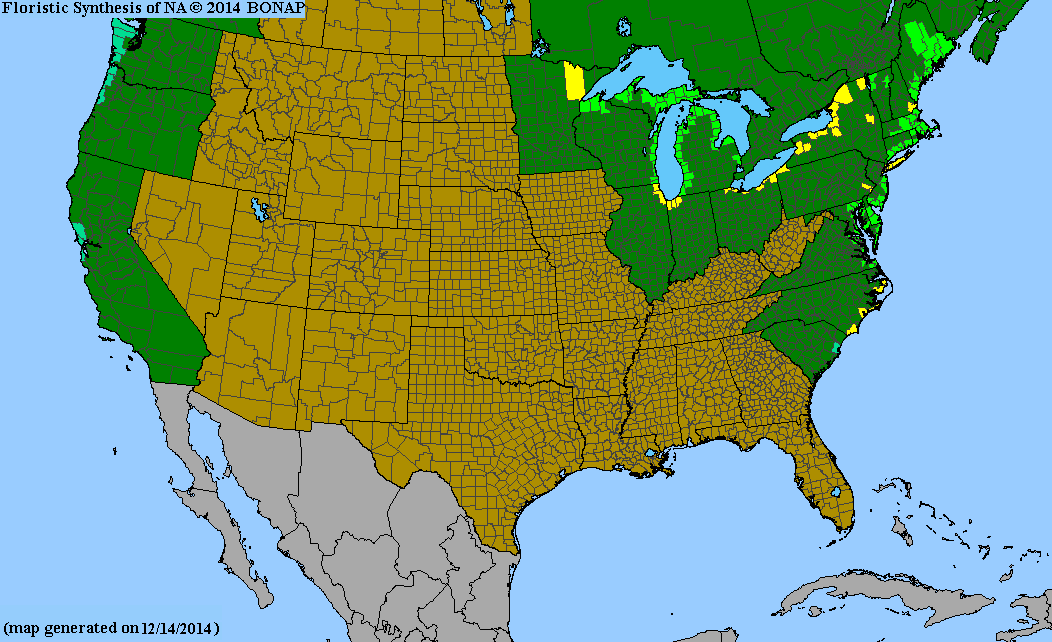
- Native Range: New England to South Carolina along the Atlantic coast, and the shores of the Great Lakes
- Hydrology: Dry
- Deer Resistance: Yes (Rarely Damaged)
- Shade Tolerance: Intolerant - obligate full-sun dune species
- Salinity Tolerance: High
- Root Depth: Very Deep (36 in.+)
- Growth Habit: Spreading - extensive rhizome system
- USDA Hardiness Zones: 2-8
- Pollinator Value: None significant - wind-pollinated
Share