Asclepias incarnata pulchra (Eastern Swamp Milkweed)
Asclepias incarnata pulchra (Eastern Swamp Milkweed)
Wholesale to the Trade - Please log into your business account.
Wholesale to the Trade - Please log into your business account.
Couldn't load pickup availability
A bushier, more compact alternative to standard swamp milkweed, this eastern subspecies brings the same wetland utility and Monarch host-plant value in a shorter, denser form better suited to smaller rain garden footprints.
Species Overview
Asclepias incarnata ssp. pulchra is a subspecies of the more widespread Asclepias incarnata (Swamp Milkweed), distinguished by broader, more ovoid leaves, pubescent stems and leaves, and a shorter, bushier habit than the western subspecies. It reaches 2 to 4 feet in height and produces vibrant rose-purple flowers a little later in the summer than the species type. Hummingbirds are drawn to this plant, which also serves as a host plant for monarch and queen butterfly larvae.
Application
- Wetland and rain garden restoration - thrives in consistently wet to medium-moisture soils
- Stormwater basin and pond-edge plantings
- Pollinator habitat and Monarch waystation projects - larval host for Monarch and Queen butterflies
- Compact-footprint rain gardens where standard swamp milkweed's taller, looser habit is less desirable
Growing Conditions / Specification Data
- Light: Full Sun to Part Shade
- Soil/Moisture Tolerance: Wet, moist soils; tolerant of clay; naturally found along ponds, streams, swamps, and bogs, but adapts to garden low spots that retain moisture
- Plant Type: Forb
- Mature Height: 2-4 ft.
- Fall Color: Insignificant/None
- Bloom Color / Period: Pink, Purple; July-September
- Wetland Indicator Status: OBL (Obligate Wetland) - Atlantic and Gulf Coastal Plain region
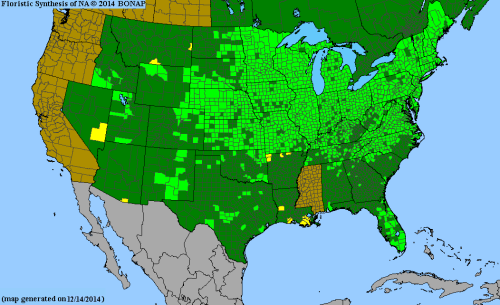
- Native Range: A regional variety of swamp milkweed found in wetlands, wet meadows, and pond edges across the eastern United States
- Hydrology: Wet
- Growth Rate: Slow
- Drought Tolerance: Low
- Salinity Tolerance: None
- Flood Tolerance: High - This variety shares the straight species' association with seasonally flooded wetlands, wet meadows, and pond margins.
- Shade Tolerance: Intermediate
- Root Depth: Moderate (12-24 in.)
- Growth Habit: Clumping/Mounding
- USDA Hardiness Zones: 3-9
- Deer Resistance: Yes (Rarely Damaged)
- Pollinator Value: Larval host, supports bees, supports butterflies, supports hummingbirds, nectar source
Share