Asclepias incarnata (Swamp Milkweed)
Asclepias incarnata (Swamp Milkweed)
Wholesale to the Trade - Please log into your business account.
Wholesale to the Trade - Please log into your business account.
Couldn't load pickup availability
Next crop estimated: Mid May 2027
Estimated dates aren't guaranteed. Crops become ready throughout the month.
A confirmed deer-resistant, obligate wetland species, swamp milkweed is an essential monarch butterfly host plant whose nectar-rich flowers also draw hummingbirds and bees - genuine multi-species pollinator value for rain gardens and wet restoration sites alike.
Species Overview
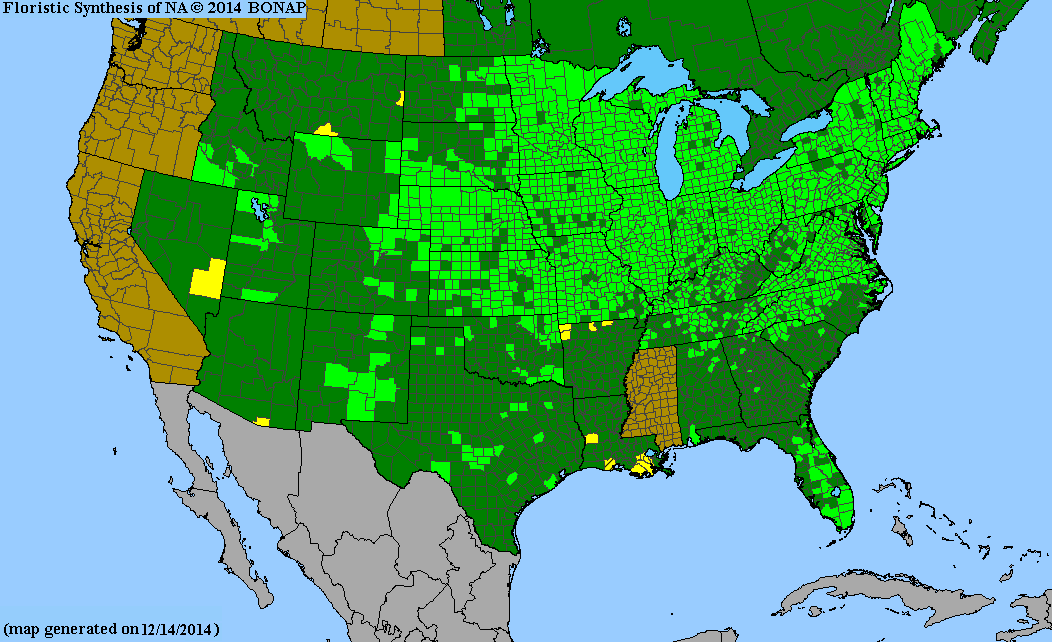
Asclepias incarnata, or swamp milkweed, is an erect, clump-forming perennial native to wetlands, wet meadows, and pond edges across North America, typically growing 4 to 8 feet tall. Fragrant, pink, star-shaped flower clusters bloom from June through September, followed by elongated seed pods releasing silky-tufted seeds.
Application
- Rain garden, pond-edge, and wet meadow restoration
- Monarch butterfly larval host habitat
- Deer-pressured wetland plantings - confirmed deer resistant
- Hummingbird and bee nectar plantings
Growing Conditions / Specification Data
- Light: Full Sun to Part Shade
- Soil/Moisture Tolerance: Wet soils; rich, muddy soils preferred
- Growth Rate: Slow
- Drought Tolerance: Low
- Flood Tolerance: High - Commonly called swamp milkweed for its association with highly saturated soils in wetlands and areas that flood seasonally; natural habitat includes wet meadows, floodplains, riverbanks, pond shores, and marshes.
- Shade Tolerance: Intermediate
- Plant Type: Forb
- Mature Height: 4-8 ft.
- Fall Color: Insignificant/None
- Bloom Color / Period: Pink; June-September
- Wetland Indicator Status: OBL (Obligate Wetland)
- Native Range: Northeast/Mid-Atlantic (full list)
- Hydrology: Wet
- Salinity Tolerance: None
- Growth Habit: Clumping/Mounding
- USDA Hardiness Zones: 3-9
- Deer Resistance: Yes (Rarely Damaged)
- Root Depth: Moderate (12-24 in.)
- Pollinator Value: Larval host, supports bees, supports butterflies, supports hummingbirds, nectar source
Planting Guidance
- IMPORTANT: all plant parts can induce vomiting and diarrhea if ingested, consistent with the milkweed genus. Severely affected by drought, especially over consecutive years - site in consistently moist locations for best results.
Share