Calamagrostis canadensis (Bluejoint Grass)
Calamagrostis canadensis (Bluejoint Grass)
Wholesale to the Trade - Please log into your business account.
Wholesale to the Trade - Please log into your business account.
Couldn't load pickup availability
More information on the 2027 crop to come
A key structural species for wet prairie and sedge meadow restoration, bluejoint grass combines strong streambank-stabilizing rhizomes with a documented high deer resistance rating - a rare combination for a wetland grass this productive.
Species Overview
Calamagrostis canadensis, commonly known as Bluejoint Grass, is a native cool-season grass that forms dense clumps and thrives in wetland habitats. It grows up to 4 to 5 feet tall, with narrow, upright leaves and airy flower panicles that turn golden as they mature. Its adaptability and attractive form make it a popular choice for naturalized plantings and wetland restoration projects.
Application
- Wet meadow, marsh, and riparian zone restoration
- Streambank stabilization via rhizomatous root system
- Rain garden and bioswale plantings - valued for water filtration capability
- Wildlife habitat plantings - shelter and food for birds and small mammals
Growing Conditions / Specification Data
- Light: Full Sun to Part Shade
- Soil/Moisture Tolerance: Moist to wet soils; thrives in marshes, riparian zones, and wet meadows
- Plant Type: Graminoid
- Mature Height: 4-8 ft.
- Fall Color: Insignificant/None
- Bloom Color / Period: Purple (turning tan as it matures); June-August
- Wetland Indicator Status: OBL (Obligate Wetland) - Atlantic and Gulf Coastal Plain region
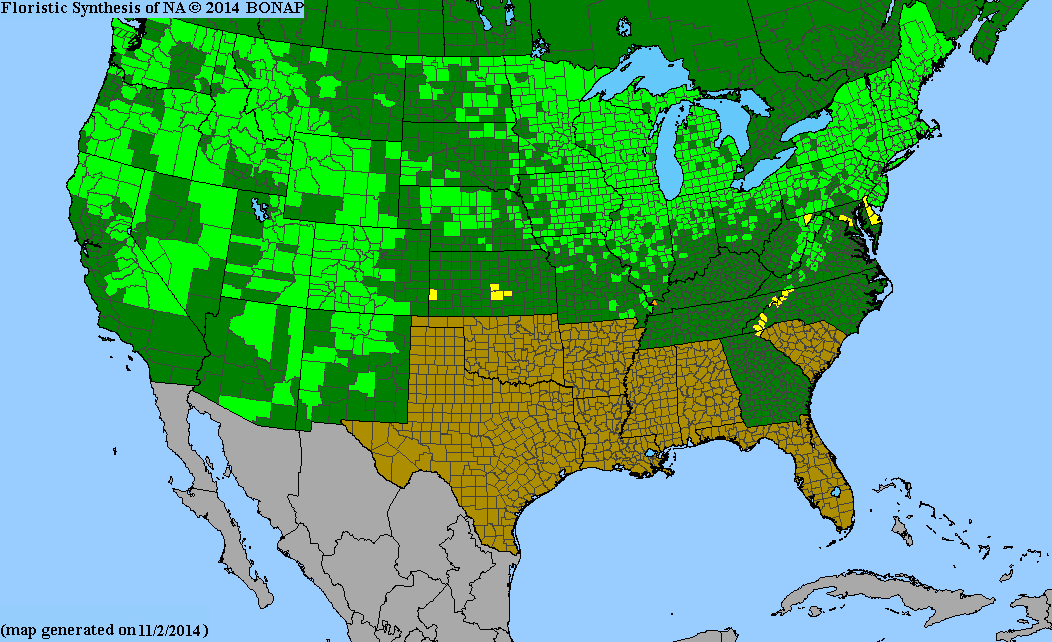
- Native Range: Widespread across North America
- Hydrology: Wet
- Root Depth: Moderate (12-24 in.)
- Growth Rate: Rapid
- Drought Tolerance: Low
- Shade Tolerance: Intermediate
- Salinity Tolerance: Moderate
- Flood Tolerance: Moderate - A wetland-associated grass that tolerates wet, periodically saturated soils.
- Growth Habit: Spreading - rhizomatous, forms colonies
- Deer Resistance: Yes (Rarely Damaged)
- Pollinator Value: None significant - wind-pollinated
Share