Carex lupulina (Hop Sedge)
Carex lupulina (Hop Sedge)
Wholesale to the Trade - Please log into your business account.
Wholesale to the Trade - Please log into your business account.
Couldn't load pickup availability
More information on the 2027 crop to come
A vital component of wetland restoration plantings, hop sedge combines strong water filtration and erosion control with a distinctive, ornamental hop-like seed head that provides genuine wildlife food value in the wettest zones of a project.
Species Overview
Carex lupulina, commonly known as Hop Sedge, is a perennial sedge native to wetlands and low-lying areas of North America. It thrives in saturated soils, including marshes, swamps, and floodplains. This sedge forms dense clumps of arching green leaves that can reach heights of up to 3 feet. Its distinctive, hop-like seed heads are inflated, spiky, and greenish-brown, appearing from late spring through summer, and serve as an essential food source for birds and small mammals.
Application
- Wetland restoration in saturated soils - marshes, swamps, and floodplains
- Rain garden plantings, particularly the wettest zones
- Water filtration and erosion control components in ecologically focused landscapes
- Wildlife habitat - seed heads are an essential food source for wetland birds
Growing Conditions / Specification Data
- Light: Full Sun to Part Shade
- Soil/Moisture Tolerance: Saturated, waterlogged soils; highly adaptable to challenging wet conditions
- Plant Type: Graminoid
- Mature Height: 2-4 ft.
- Fall Color: Insignificant/None
- Bloom Color / Period: Green; May-July
- Wetland Indicator Status: OBL (Obligate Wetland) - Atlantic and Gulf Coastal Plain region
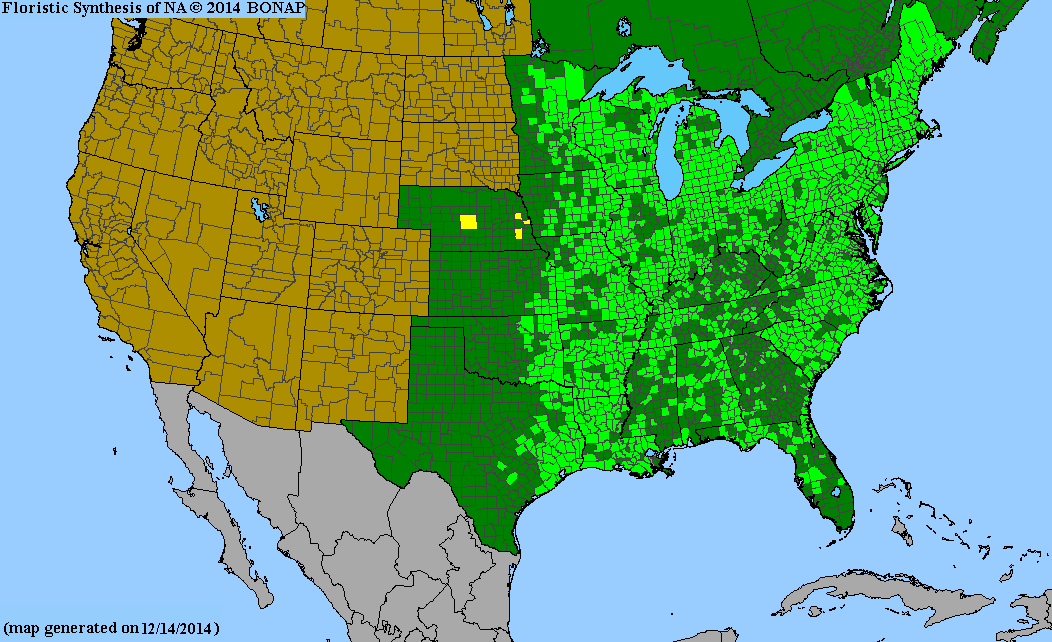
- Native Range: Eastern North America
- Hydrology: Wet
- Salinity Tolerance: None
- Root Depth: Shallow (Under 12 in.)
- Growth Rate: Rapid
- Drought Tolerance: Low
- Deer Resistance: Yes (Rarely Damaged)
- Flood Tolerance: High - A wetland sedge found in swamps, wet woods, and marshes; tolerates standing water.
- Shade Tolerance: Intermediate
- Growth Habit: Clumping/Mounding
- Pollinator Value: None significant - wind-pollinated
Share