Cercis canadensis (Eastern Redbud)
Cercis canadensis (Eastern Redbud)
Wholesale to the Trade - Please log into your business account.
Wholesale to the Trade - Please log into your business account.
Couldn't load pickup availability
More information on the 2027 crop to come
More information on the 2027 crop to come
More information on the 2027 crop to come
One of the earliest and most reliable spring bloomers in the native palette, eastern redbud pairs a spectacular bare-branch flower display with real early-season nectar value for queen bumblebees - but it's worth knowing this species is state-endangered in New Jersey before specifying it in local restoration work.
Species Overview
Commonly called eastern redbud, Cercis canadensis is a small, deciduous tree native to the eastern United States. It grows 20 to 30 feet tall and is celebrated for its stunning early spring display of pink to magenta flowers, which bloom along bare branches before the heart-shaped leaves appear. The tree thrives in well-drained soils in full sun to partial shade and is a popular ornamental choice for landscapes and gardens.
Application
- Understory and woodland-edge restoration
- Specimen and ornamental tree plantings prioritizing early spring bloom
- Pollinator habitat - an important early-season nectar and pollen source for queen bumblebees
- Larval host habitat for Henry's Elfin butterfly
Growing Conditions / Specification Data
- Light: Full Sun to Part Shade
- Soil/Moisture Tolerance: Adaptable to a variety of soils, including clay, as long as drainage is good; prefers neutral to slightly alkaline soils but tolerates average acid garden soils
- Drought Tolerance: Moderate - tolerates dry spells once established
- Flood Tolerance: Low - A woodland-edge tree preferring moist but well-drained soil; not documented as flood tolerant.
- Growth Rate: Rapid
- Plant Type: Tree
- Mature Height: 15-25 ft.
- Fall Color: Yellow
- Bloom Color / Period: Pink, Purple; April-May
- Wetland Indicator Status: UPL (Obligate Upland)
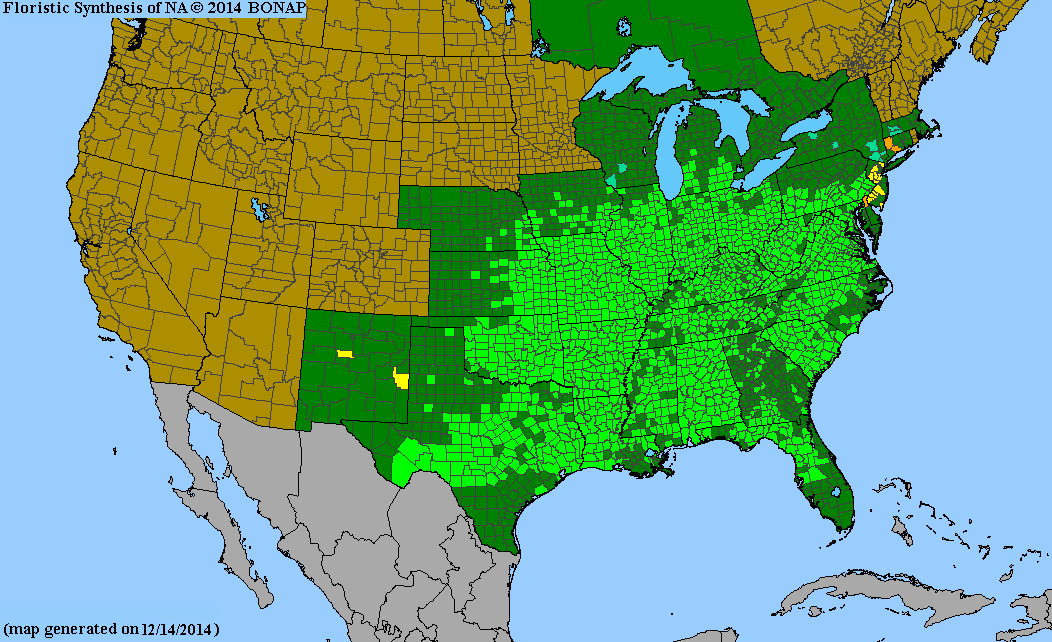
- Native Range: Eastern United States; see flags on New Jersey conservation status
- Hydrology: Mesic
- Root Depth: Deep (24-36 in.)
- Shade Tolerance: Intermediate - flowering decreases with deep shade
- Salinity Tolerance: Low
- Growth Habit: Rounded
- USDA Hardiness Zones: 4-9
- Deer Resistance: Yes (Rarely Damaged)
- Pollinator Value: Larval host, supports bees
- Juglone Tolerance: Tolerant
Share