Chasmanthium latifolium (Northern Sea Oats)
Chasmanthium latifolium (Northern Sea Oats)
Wholesale to the Trade - Please log into your business account.
Wholesale to the Trade - Please log into your business account.
Couldn't load pickup availability
More information on the 2027 crop to come
One of the most shade-tolerant ornamental grasses available, northern sea oats brings genuine four-season structure to woodland-edge plantings, with distinctive dangling seed heads that persist as a design feature well after most other grasses have faded.
Species Overview
Chasmanthium latifolium, commonly known as Northern Sea Oats, is an ornamental grass native to eastern North America. It is prized for its distinctive, flat, oat-like seed heads that dangle gracefully from arching stems. This grass grows 2 to 4 feet tall and has bright green leaves that turn golden bronze in fall, providing year-round visual interest.
Application
- Woodland and shade garden plantings - exceptionally shade-tolerant for an ornamental grass
- Naturalized plantings along streams and water gardens
- Erosion control and border plantings
- Larval host habitat for butterflies; seeds and cover for small mammals and birds
Growing Conditions / Specification Data
- Light: Full Sun to Part Shade - notably shade-tolerant for an ornamental grass
- Soil/Moisture Tolerance: Adaptable, dry to moist soils; performs best in moist, fertile soils
- Plant Type: Graminoid
- Mature Height: 2-4 ft.
- Fall Color: Yellow
- Bloom Color / Period: Green, Brown; June-September
- Wetland Indicator Status: FAC (Facultative)
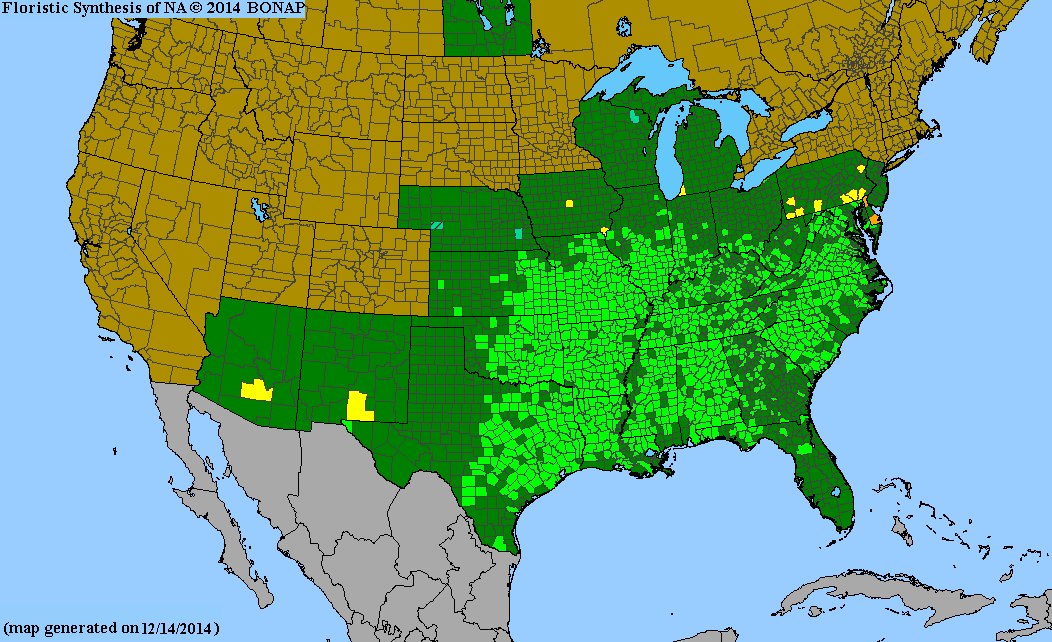
- Native Range: Central and eastern United States
- Hydrology: Mesic-Moist
- Root Depth: Moderate (12-24 in.)
- Salinity Tolerance: Low
- Growth Rate: Moderate
- Drought Tolerance: Moderate
- Flood Tolerance: Moderate - Commonly called river oats for its association with stream and river banks; tolerates periodically moist to wet soil but not deep standing water.
- Shade Tolerance: Tolerant
- Growth Habit: Clumping/Mounding
- USDA Hardiness Zones: 5-9
- Deer Resistance: Yes (Rarely Damaged)
- Pollinator Value: Larval host, supports butterflies
Planting Guidance
- Strong self-seeder - cut seed heads in late fall and remove from the ground to control spread if a contained planting is desired.
Share