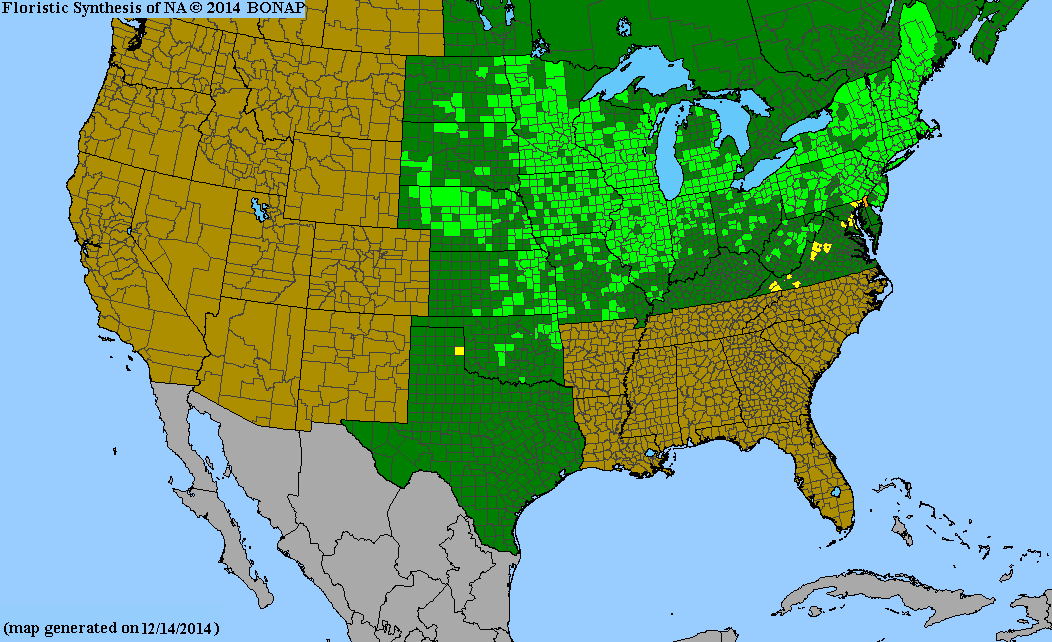
Desmodium canadense (Showy Tick-Trefoil)
Desmodium canadense (Showy Tick-Trefoil)
Wholesale to the Trade - Please log into your business account.
Wholesale to the Trade - Please log into your business account.
Couldn't load pickup availability
The showiest of the native tick-trefoils, this nitrogen-fixing legume delivers a genuinely long-lasting pink-purple bloom display that draws long-tongued bees and serves as a confirmed larval host for two named butterfly species - though its high palatability to deer means it needs some protection in browse-heavy sites.
Species Overview
Desmodium canadense, or Showy Tick Trefoil, is a perennial legume native to North American prairies and open woodlands. This plant grows 2 to 6 feet tall, with compound leaves and showy clusters of pink to purple pea-like flowers blooming in mid-summer. The flowers attract numerous pollinators, including bees and butterflies, while the plant enriches soil by fixing nitrogen.
Application
- Prairie restoration and pollinator meadow plantings
- Erosion control projects, given its adaptable, spreading habit
- Larval host habitat for Eastern Tailed Blue and Gray Hairstreak butterflies
- Nitrogen-fixing component in restoration seed mixes
- Wildlife food plots - highly palatable to deer, rabbits, and gamebirds
Growing Conditions / Specification Data
- Light: Full Sun to Part Shade
- Soil/Moisture Tolerance: Moderately rich, well-drained to slightly damp soils; tolerates clay
- Growth Rate: Rapid
- Plant Type: Forb
- Mature Height: 4-8 ft. (existing records show a wider 2-6 ft. range; see flags)
- Fall Color: Insignificant/None
- Bloom Color / Period: Pink, Purple; July-September
- Native Range: Quebec and Nova Scotia west to Alberta, south to Virginia, West Virginia, Missouri, and Oklahoma
- Hydrology: Mesic-Moist
- Root Depth: Moderate (12-24 in.)
- Salinity Tolerance: Low
- Drought Tolerance: Moderate
- Flood Tolerance: Moderate - A moist meadow and prairie species tolerant of periodically wet soil.
- Shade Tolerance: Intermediate
- Growth Habit: Upright
- USDA Hardiness Zones: 3-8
- Deer Resistance: No (Frequently Damaged)
- Pollinator Value: Larval host, supports bees, supports butterflies
Planting Guidance
- Deep taproot makes this species drought resistant but difficult to transplant once established - site permanently from the start.
Share