Eutrochium maculatum (Spotted Joe-Pye Weed)
Eutrochium maculatum (Spotted Joe-Pye Weed)
Wholesale to the Trade - Please log into your business account.
Wholesale to the Trade - Please log into your business account.
Couldn't load pickup availability
The most moisture-loving and widest-ranging of the Joe-Pye weeds - the only one to reach west of the Great Plains - spotted Joe-Pye weed is the default choice for the wettest zones of a rain garden or streambank restoration where standing water is common.
Species Overview
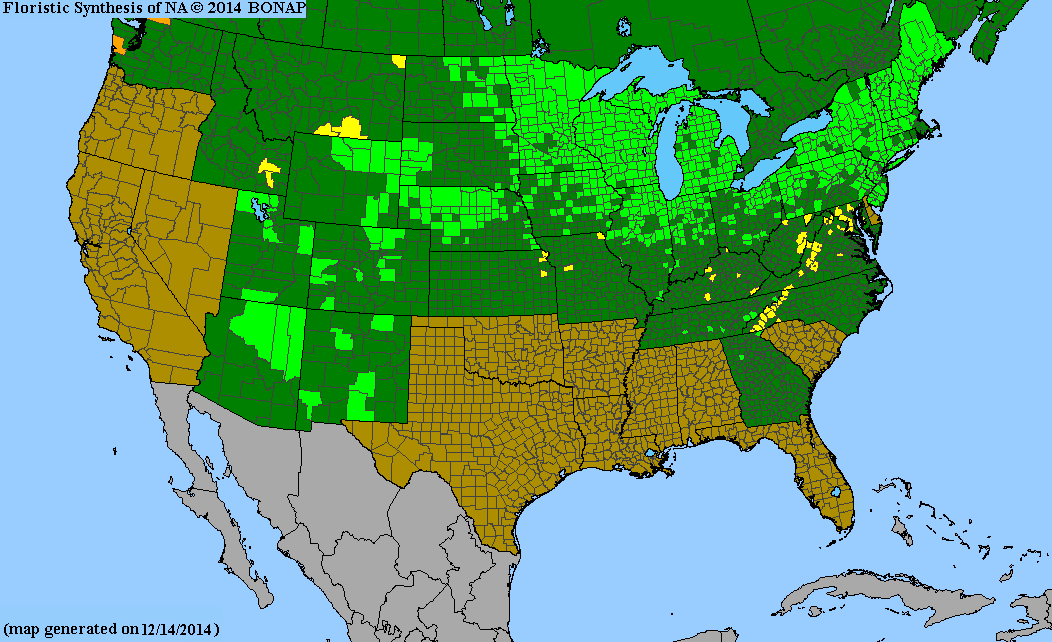
Eutrochium maculatum is a tall, perennial wildflower reaching heights of 4 to 6 feet. Native to wetlands and moist meadows in North America, it is distinguished by its showy, pinkish-purple flower clusters that bloom in mid to late summer, along with its sturdy, spotted stems and whorled leaves. This species is the only Joe-Pye weed to grow west of the Great Plains.
Application
- Rain garden plantings, particularly the wettest zones
- Streambank and wetland restoration
- Pollinator habitat plantings
- Wet meadow and pond-margin naturalized plantings
Growing Conditions / Specification Data
- Light: Full Sun to Part Shade
- Soil/Moisture Tolerance: Wet, moist soils; the most consistently moisture-loving species in the genus
- Plant Type: Forb
- Mature Height: 4-8 ft.
- Fall Color: Insignificant/None
- Bloom Color / Period: Pink, Purple; August-October
- Wetland Indicator Status: FACW (Facultative Wetland) - Atlantic and Gulf Coastal Plain region; see flags on regional variance
- Native Range: Widespread across North America; the only Joe-Pye weed species to grow west of the Great Plains
- Hydrology: Moist-Wet
- Root Depth: Shallow (Under 12 in.) (fibrous root system)
- Salinity Tolerance: Low
- Growth Rate: Rapid ("give it plenty of room and it will spread to form impressive stands")
- Drought Tolerance: Low
- Deer Resistance: Yes (Rarely Damaged) (resistant to both rabbit and deer browsing)
- Flood Tolerance: High - Thrives in marshes, rich fens, and swamps, and does well in man-made moist expanses such as ditches and seepage areas; valued for detention/retention basin plantings specifically for its ability to survive temporary flooding.
- Shade Tolerance: Intermediate
- Growth Habit: Upright
- USDA Hardiness Zones: 3-8
- Pollinator Value: Supports bees, supports butterflies, supports moths
Share