Itea virginica (Virginia Sweetspire)
Itea virginica (Virginia Sweetspire)
Wholesale to the Trade - Please log into your business account.
Wholesale to the Trade - Please log into your business account.
Couldn't load pickup availability
More information on the 2027 crop to come
More information on the 2027 crop to come
More information on the 2027 crop to come
A genuine four-season native shrub, Virginia sweetspire pairs a long-blooming, fragrant, bottlebrush-like flower display with some of the most reliable fall color of any native shrub - and it tolerates periodic flooding, making it a strong fit for rain gardens and streambank plantings.
Species Overview
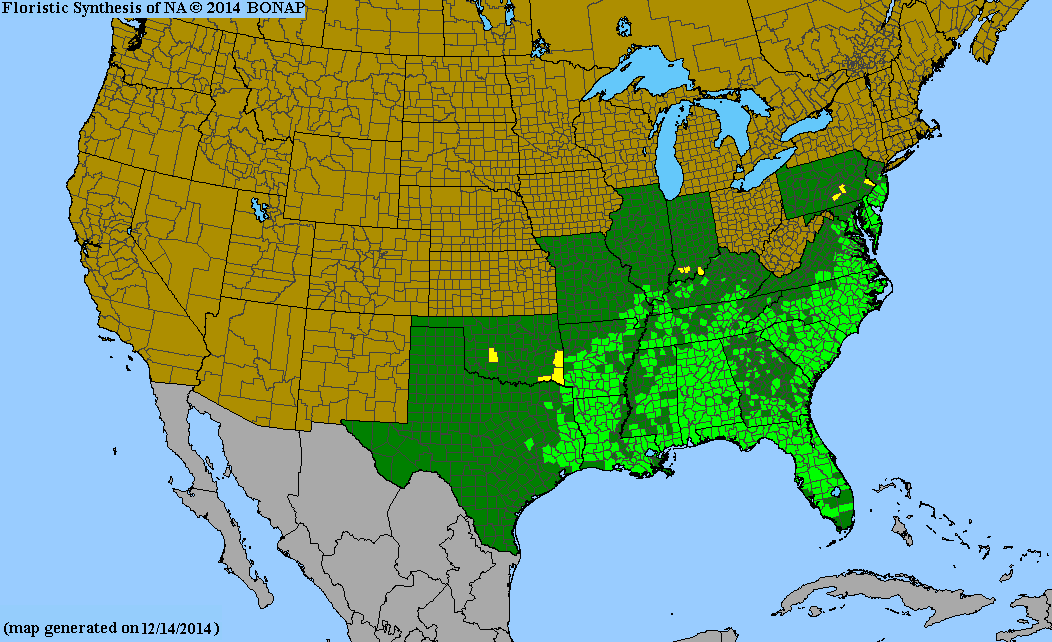
Itea virginica, or Virginia sweetspire, is a deciduous to semi-evergreen shrub with a native range extending from New Jersey to Florida and west to Missouri, Louisiana, and east Texas. In its native habitat, it is found in moist woods, swamps, wet pine barrens, and along small stream banks. Fragrant, tiny white flowers are borne in cylindrical, drooping racemes, and the foliage turns brilliant shades of red and purple in fall.
Application
- Rain gardens, bioswales, and streambank plantings - tolerates periodic flooding
- Butterfly and pollinator garden plantings
- Erosion control on slopes, given its suckering, colony-forming habit
- Woodland border and mass plantings prioritizing fall color
Growing Conditions / Specification Data
- Light: Full Sun to Full Shade - best flowering, fall color, and density in full sun
- Soil/Moisture Tolerance: Wide range of soil conditions and pH; best in moist, slightly acidic, fertile soil
- Plant Type: Shrub
- Mature Height: 4-8 ft.
- Fall Color: Red, Purple
- Bloom Color / Period: White; April-May
- Wetland Indicator Status: OBL (Obligate Wetland)
- Native Range: New Jersey to Florida, west to Missouri, Louisiana, and east Texas
- Hydrology: Wet
- Root Depth: Moderate (12-24 in.)
- Salinity Tolerance: Low
- Growth Rate: Moderate
- Drought Tolerance: Moderate
- Flood Tolerance: High - A classic wet-site shrub listed alongside confirmed wetland obligates like swamp milkweed, winterberry, and buttonbush; tolerates saturated to standing water.
- Shade Tolerance: Tolerant
- Growth Habit: Multi-stemmed/Thicket-forming - suckering
- USDA Hardiness Zones: 5-9
- Deer Resistance: Yes (Rarely Damaged)
- Pollinator Value: Supports bees, supports butterflies, supports hummingbirds
Planting Guidance
- Blooms on the previous season's wood - prune after flowering, before next year's buds form in late summer. Forms dense colonies by root suckering.
Share