Juncus gerardii (Black Grass)
Juncus gerardii (Black Grass)
Wholesale to the Trade - Please log into your business account.
Wholesale to the Trade - Please log into your business account.
Couldn't load pickup availability
More information on the 2027 crop to come
A genuine coastal salt marsh specialist, black grass plays a critical role in stabilizing the upper, less-frequently-inundated zone of tidal wetlands - exactly where its high salt tolerance and intolerance of prolonged flooding position it as the right species for the job.
Species Overview
Juncus gerardii, commonly known as black grass or saltmarsh rush, is a low-growing perennial native to coastal salt marshes in North America. It grows 1 to 2 feet tall and forms dense clumps of slender, dark green stems from a dense, far-reaching matrix of black rhizomes. It thrives in saline or brackish soils and is highly tolerant of salt spray, typically establishing just above the high-tide line.
Application
- Coastal salt marsh restoration - stabilizes soils in saline conditions
- Upper intertidal zone plantings, just above the high-tide line
- Erosion control on saline, brackish shorelines
- Wildlife habitat for shorebirds and other saltmarsh species
Growing Conditions / Specification Data
- Light: Full Sun
- Soil/Moisture Tolerance: Saline, waterlogged soils; highly tolerant of salt spray but intolerant of prolonged flooding
- Plant Type: Graminoid
- Mature Height: 1-2 ft.
- Fall Color: Insignificant/None
- Bloom Color / Period: Insignificant/None; June-September
- Wetland Indicator Status: OBL (Obligate Wetland, regional source) - see flags
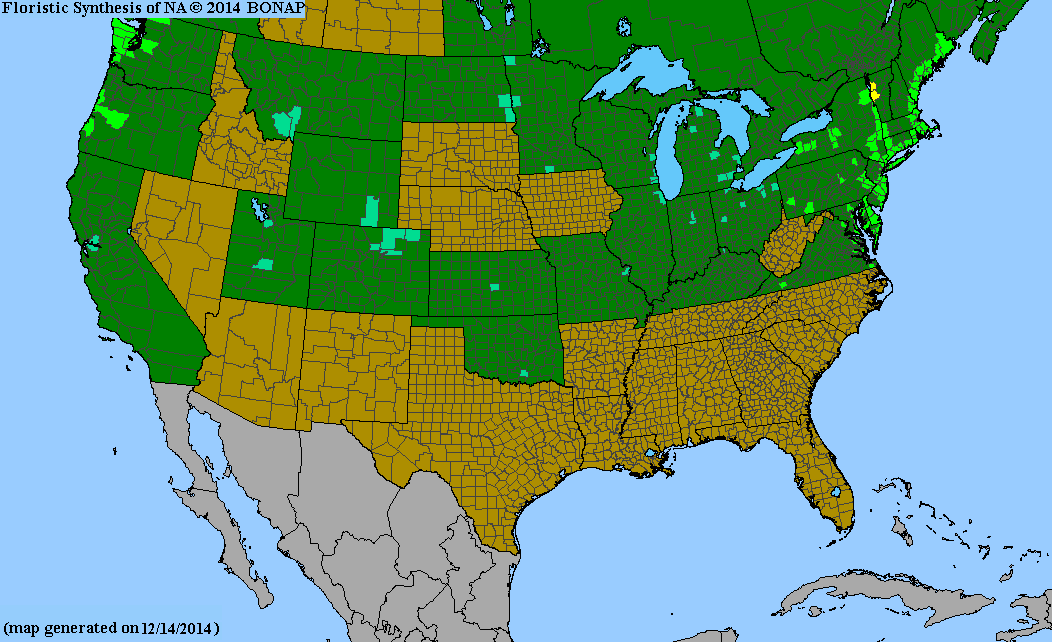
- Native Range: Coastal North America
- Hydrology: Moist-Wet
- Root Depth: Shallow (Under 12 in.)
- Growth Rate: Moderate
- Drought Tolerance: Low
- Deer Resistance: Yes (Rarely Damaged)
- Shade Tolerance: Intolerant
- Salinity Tolerance: High
- Flood Tolerance: Low - IMPORTANT: despite being a salt marsh species, this rush establishes just above the high-tide line in the upper marsh zone and prefers saline, waterlogged soils - but is explicitly documented as intolerant of flooding itself, distinct from the regularly-inundated low marsh species it grows alongside.
- Growth Habit: Spreading - rhizomatous
- USDA Hardiness Zones: 4-8
- Pollinator Value: None significant - wind-pollinated
Share