Juniperus virginiana (Eastern Red-Cedar)
Juniperus virginiana (Eastern Red-Cedar)
Wholesale to the Trade - Please log into your business account.
Wholesale to the Trade - Please log into your business account.
Couldn't load pickup availability
More information on the 2027 crop to come
More information on the 2027 crop to come
More information on the 2027 crop to come
One of the toughest, most widely adaptable native conifers, eastern red cedar's confirmed deer resistance and fast growth make it a dependable choice for screening and windbreak plantings - though its aggressive colonization of open grassland makes it an important management consideration in prairie restoration contexts specifically.
Species Overview
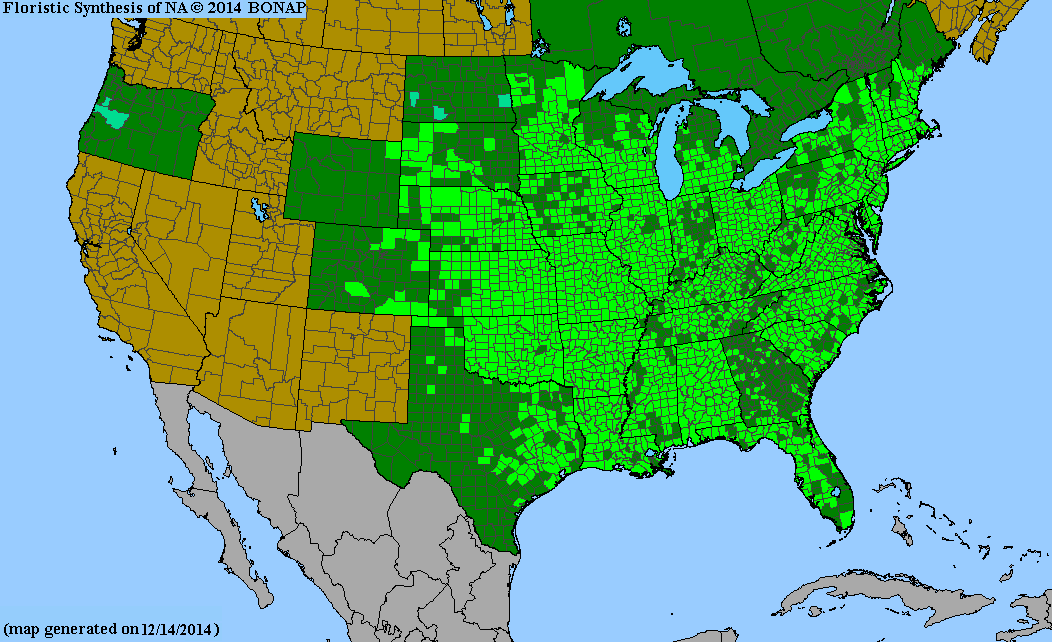
The eastern red cedar is a hardy, evergreen conifer native to eastern North America, growing up to 40 to 60 feet tall. Despite its name, it is a species of juniper rather than a true cedar. Highly aromatic, with dense scale-like foliage, it is the most widely distributed eastern conifer, native in 37 states, and is resistant to extremes of drought, heat, and cold.
Application
- Screening, windbreak, and hedging plantings - fast-growing and drought tolerant
- Wildlife habitat plantings - berry-like cones are a vital winter food source for birds
- Rocky outcrop and old-field restoration
- Large-property and naturalized landscape specimen plantings
Growing Conditions / Specification Data
- Light: Full Sun to Part Shade
- Soil/Moisture Tolerance: Dry to moderately moist soils; thrives in rocky outcrops and old fields
- Drought Tolerance: High - resistant to extremes of drought, heat, and cold
- Flood Tolerance: Low - An upland, dry-site conifer; not tolerant of standing water.
- Growth Rate: Rapid
- Plant Type: Tree
- Mature Height: 25-50 ft.
- Fall Color: Bronze - evergreen foliage takes on a bronze cast in winter
- Wetland Indicator Status: NI (No Indicator) - see flags
- Native Range: Eastern and central United States, native in 37 states
- Pollinator Value: None significant - wind-pollinated conifer; cones and pollen offer no meaningful nectar or pollen resource to insects.
- Hydrology: Dry-Mesic
- Root Depth: Deep (24-36 in.)
- Shade Tolerance: Intolerant
- Salinity Tolerance: Moderate
- Growth Habit: Upright - pyramidal to columnar
- USDA Hardiness Zones: 2-9
- Deer Resistance: Yes (Rarely Damaged)
Planting Guidance
- IMPORTANT: this species is aggressively invasive in prairie and grassland ecosystems outside its typical forested range, particularly in the central Plains - historically kept in check by wildfire, its spread has accelerated with fire suppression. Worth a deliberate siting decision away from open grassland restoration projects.
Share