Leersia oryzoides (Rice Cutgrass)
Leersia oryzoides (Rice Cutgrass)
Wholesale to the Trade - Please log into your business account.
Wholesale to the Trade - Please log into your business account.
Couldn't load pickup availability
More information on the 2027 crop to come
The genuinely sharp-edged leaves that make rice cutgrass unpleasant to walk through also make it unpalatable to most herbivorous mammals, and its rhizomatous growth habit delivers reliable sediment stabilization in hydric restoration sites - plus confirmed value as a larval host for the Least Skipper butterfly.
Species Overview
Leersia oryzoides is a spreading, perennial grass native to wetlands, marshes, and riparian areas across North America. It grows 2 to 4 feet tall, with rough-edged leaves that can slice through skin - giving the species its common name - and inconspicuous green flowers that bloom in late summer.
Application
- Wetland restoration and erosion control - rhizomatous growth stabilizes soil
- Bioswale and riparian buffer plantings
- Fluctuating-water-level restoration sites, given tolerance for hydric variability
- Larval host habitat for the Least Skipper butterfly
Growing Conditions / Specification Data
- Light: Part Shade
- Soil/Moisture Tolerance: Wet soil to standing water; tolerates seasonal flooding
- Plant Type: Graminoid
- Mature Height: 2-4 ft.
- Fall Color: Insignificant/None
- Bloom Color / Period: Green; June-October
- Wetland Indicator Status: OBL (Obligate Wetland)
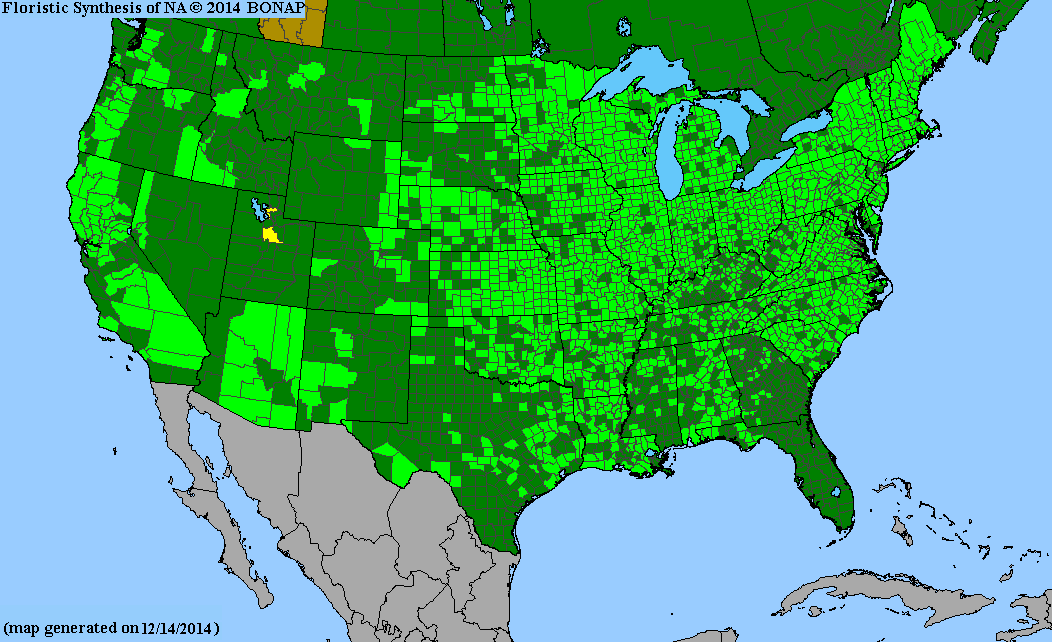
- Native Range: Quebec to British Columbia, south to Gulf Coast states, New Mexico, and California
- Hydrology: Wet
- Root Depth: Shallow (Under 12 in.)
- Salinity Tolerance: Low
- Growth Rate: Rapid
- Drought Tolerance: Low
- Deer Resistance: Yes (Rarely Damaged)
- Flood Tolerance: High - Rated OBL (Obligate Wetland) - almost always occurs in wetlands under natural conditions; tolerates standing water.
- Shade Tolerance: Intermediate
- Growth Habit: Spreading - rhizomatous
- USDA Hardiness Zones: 4-9
- Pollinator Value: Larval host, supports butterflies
Planting Guidance
- Sharp, minutely-toothed leaf edges make this species unpalatable to most herbivorous mammals - useful in deer-pressured wetland restoration, though caution is warranted for hand-clearing or maintenance work.
Share