Liatris pycnostachya (Prairie Blazing Star)
Liatris pycnostachya (Prairie Blazing Star)
Wholesale to the Trade - Please log into your business account.
Wholesale to the Trade - Please log into your business account.
Couldn't load pickup availability
One of the tallest and most moisture-tolerant blazing stars available, prairie blazing star hosts an unusually specific roster of named moth larvae - including the aptly-named Blazing Star Borer - while remaining a reliable draw for bees, butterflies, and hummingbirds all season.
Species Overview
Liatris pycnostachya, or prairie blazing star, is one of the tallest of the blazing stars, an upright, clump-forming perennial with fluffy spikes densely packed with deep rose-purple flowers, flowering in succession from top to bottom over several weeks. It is native to the tallgrass prairies of the central United States, and is one of the few Liatris species that grows well in very moist soils.
Application
- Prairie and wet-medium meadow restoration - tolerant of moist soils unlike most Liatris
- Perennial borders and rain gardens
- Cut flower and dried arrangement production
- Larval host habitat for multiple named moth species
Growing Conditions / Specification Data
- Light: Full Sun to Part Shade
- Soil/Moisture Tolerance: Moist to dry, well-drained soils; tolerant of clay and poor soils; one of the few Liatris species that grows well in very moist soils
- Drought Tolerance: High
- Flood Tolerance: Low - A dry-mesic prairie species, consistent with the genus' general dry-prairie pattern; not documented as flood tolerant.
- Plant Type: Forb
- Mature Height: 2-4 ft.
- Fall Color: Bronze
- Bloom Color / Period: Purple; July-September
- Wetland Indicator Status: NI (No Indicator) - see flags
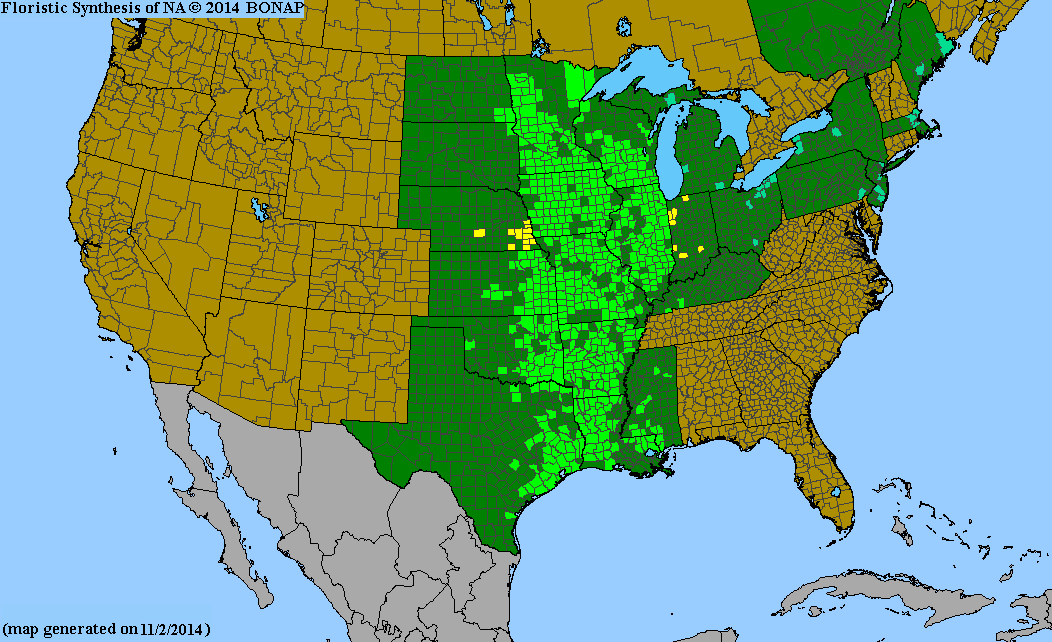
- Native Range: Wisconsin to South Dakota, south to Louisiana and eastern Texas; occurs east to New Jersey, New York, and Pennsylvania
- Hydrology: Dry-Mesic
- Root Depth: Shallow (Under 12 in.) (corm-forming, typical of the genus)
- Salinity Tolerance: Low
- Growth Rate: Moderate
- Deer Resistance: Yes (Rarely Damaged)
- Shade Tolerance: Intolerant
- Growth Habit: Upright
- USDA Hardiness Zones: 3-9
- Pollinator Value: Larval host, supports bees, supports butterflies, supports moths, supports hummingbirds
Planting Guidance
- Flower stalks may need staking in windy or wet weather; not considered an aggressive spreader despite self-seeding.
Share