Liquidambar styraciflua (Sweetgum)
Liquidambar styraciflua (Sweetgum)
Wholesale to the Trade - Please log into your business account.
Wholesale to the Trade - Please log into your business account.
Couldn't load pickup availability
More information on the 2027 crop to come
More information on the 2027 crop to come
More information on the 2027 crop to come
A genuinely tough shade tree confirmed resistant to fire, heat, drought, soil compaction, deer, and rabbits, sweetgum also serves as a confirmed larval host for the Luna Moth - delivering both landscape durability and real ecological weight in a single specimen tree.
Species Overview
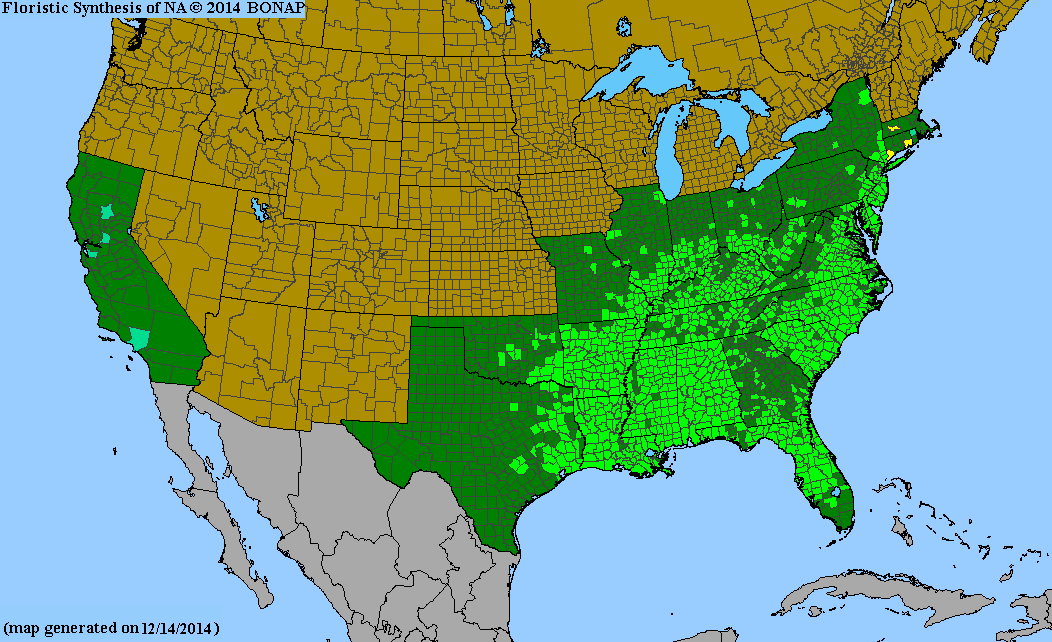
Liquidambar styraciflua, or sweetgum, is a large deciduous tree native to the eastern United States, frequently found in wet river bottoms, swamps that flood, and drier uplands. It typically grows 60 to 100 feet tall, with distinctive star-shaped leaves that turn vibrant shades of red, orange, and yellow in fall, and produces distinctive spiky seed pods known as "gumballs."
Application
- Large shade tree plantings - confirmed resistant to fire, drought, and compaction
- Wet river bottom and floodplain restoration
- Upland restoration on a wide range of Piedmont and Coastal Plain soils
- Larval host habitat for the Luna Moth
Growing Conditions / Specification Data
- Light: Full Sun to Part Shade
- Soil/Moisture Tolerance: Moist, acidic, well-drained soils; tolerates wet river bottoms and flooding swamps as well as drier uplands
- Drought Tolerance: High
- Flood Tolerance: Moderate - Commonly found in bottomland forests; tolerates periodically wet soil.
- Growth Rate: Rapid
- Plant Type: Tree
- Mature Height: 50-80 ft.
- Fall Color: Yellow, Orange, Red
- Bloom Color / Period: Insignificant/None; April-May
- Wetland Indicator Status: NI (No Indicator) - see flags
- Native Range: Connecticut to Florida, west to Texas, Missouri, and Illinois
- Hydrology: Mesic-Moist
- Root Depth: Deep (24-36 in.)
- Shade Tolerance: Intolerant
- Salinity Tolerance: High
- Growth Habit: Upright - pyramidal
- USDA Hardiness Zones: 5-9
- Deer Resistance: Yes (Rarely Damaged)
- Pollinator Value: Larval host, supports moths
Planting Guidance
- Spiky seed pods ("gumballs") drop between December and April and create litter/tripping hazards in pedestrian areas - worth flagging for high-traffic landscape use.
Share