Mertensia virginica (Virginia Bluebells)
Mertensia virginica (Virginia Bluebells)
Wholesale to the Trade - Please log into your business account.
Wholesale to the Trade - Please log into your business account.
Couldn't load pickup availability
One of only a handful of native blue wildflowers, Virginia bluebells is a confirmed deer-resistant spring ephemeral that also tolerates sites near black walnut trees - a genuinely rare combination of traits that makes it one of the most flexible woodland natives in the catalog.
Species Overview
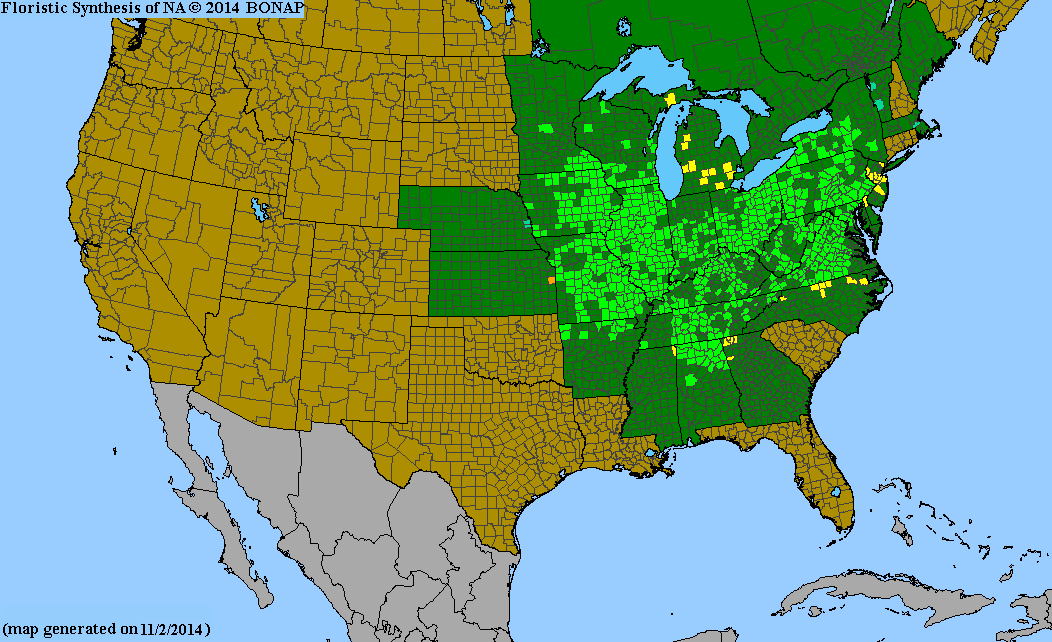
Mertensia virginica, or Virginia bluebells, is a spring ephemeral wildflower native to moist woodlands in eastern North America, indigenous from the Mid-Atlantic through to the Mississippi River. It produces clusters of nodding, trumpet-shaped flowers that open pink and turn sky-blue as they mature, dying back to the ground by mid-summer as the plant goes dormant.
Application
- Woodland garden and spring ephemeral plantings, especially at the base of deciduous trees
- Deer-pressured sites
- Plantings near black walnut and other juglone-producing trees
- Early-season pollinator habitat for bumblebees, mason bees, and moths
Growing Conditions / Specification Data
- Light: Part Shade to Full Shade - tolerates more sun in early spring before tree canopy closes
- Soil/Moisture Tolerance: Rich, moist, well-drained soils; avoid waterlogging
- Plant Type: Forb
- Mature Height: 1-2 ft.
- Fall Color: Insignificant/None - foliage dies back by mid-summer
- Bloom Color / Period: Pink, Blue; March-May
- Wetland Indicator Status: NI (No Indicator) - see flags
- Native Range: Mid-Atlantic through the Mississippi River
- Hydrology: Mesic-Moist
- Root Depth: Moderate (12-24 in.)
- Salinity Tolerance: Low
- Growth Rate: Moderate
- Drought Tolerance: Low
- Flood Tolerance: Moderate - Rated FACW (usually occurs in wetlands), though as a spring ephemeral this species goes dormant by early summer, which may limit its practical exposure to flooding compared to species active through the full growing season.
- Shade Tolerance: Tolerant
- Growth Habit: Clumping/Mounding
- USDA Hardiness Zones: 3-8
- Deer Resistance: Yes (Rarely Damaged)
- Juglone Tolerance: Tolerant
- Pollinator Value: Supports bees, supports specialist/oligolectic bees, supports butterflies, supports moths
Planting Guidance
- A true spring ephemeral - goes fully dormant by mid-summer; pair with later-emerging perennials or ferns to fill the gap left behind.
Share