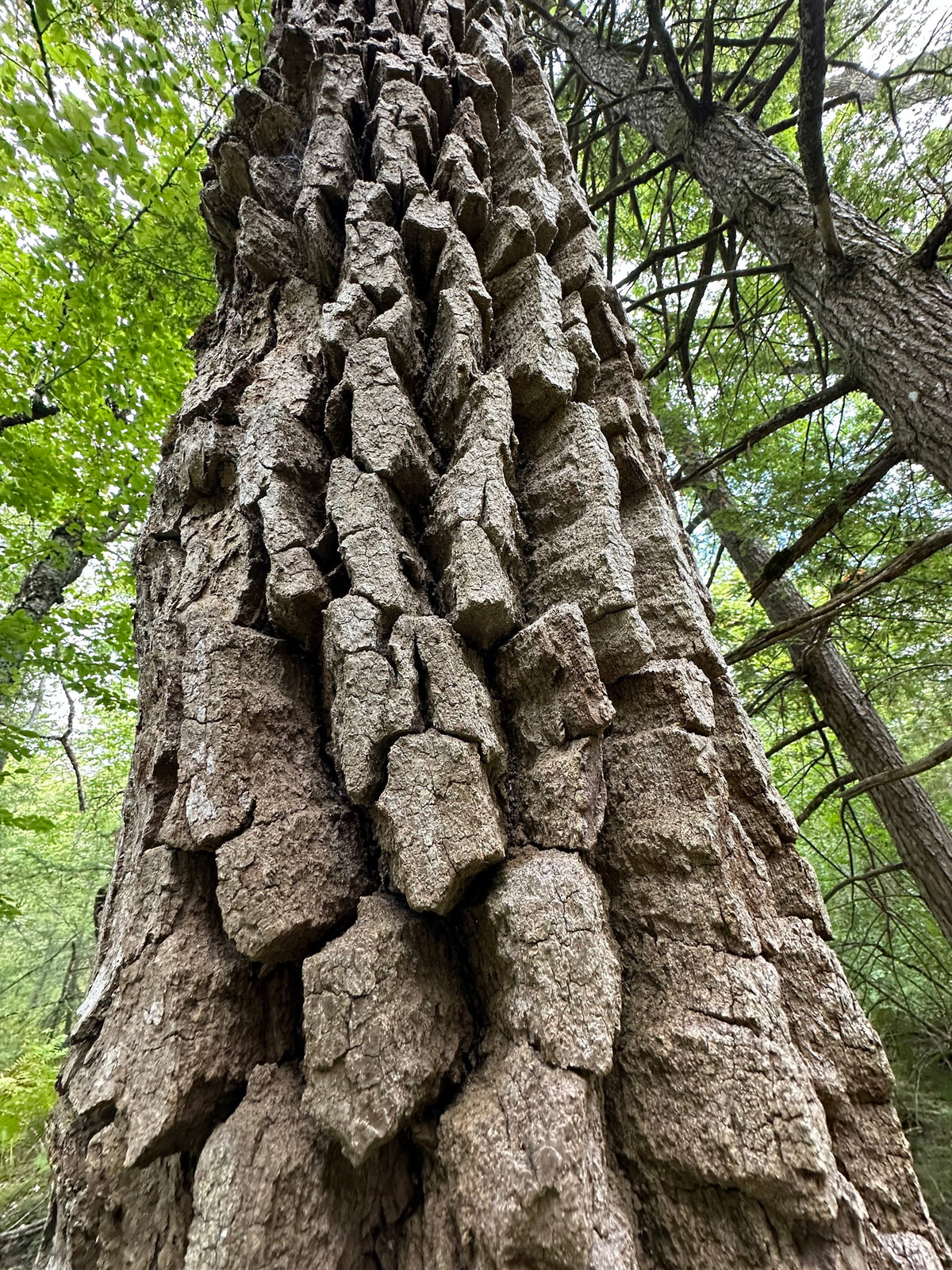
Widely regarded as one of the most fiery fall-color trees available, black gum is also a confirmed juglone-tolerant species - a genuinely valuable trait for anyone siting shade trees near existing black walnuts - while its nectar produces the prized tupelo honey.
Species Overview
Nyssa sylvatica, or black gum, is a medium-sized deciduous tree native to eastern North America, reaching 30 to 75 feet tall. It is known for its glossy, dark green leaves that turn brilliant shades of scarlet, orange, and yellow in fall - often the earliest and most reliable fall color of any native tree - and its small, blue-black fruits are highly favored by wildlife.
Application
Specimen and shade tree plantings prioritizing fall color
Plantings near black walnut and other juglone-producing trees
Wildlife habitat and pollinator forage (tupelo honey source)
Growing Conditions / Specification Data
Light: Full Sun to Part Shade
Soil/Moisture Tolerance: Moist, acidic soils preferred; adaptive and tolerant of poorly-drained soils, standing water, and some drought
Plant Type: Tree
Mature Height: 25-50 ft.
Fall Color: Yellow, Orange, Red
Bloom Color / Period: Insignificant/None; May-June
Wetland Indicator Status: NI (No Indicator) - see flags
Native Range: Southern Ontario through the central and eastern United States
Hydrology: Mesic
Root Depth: Deep (24-36 in.)
Salinity Tolerance: Low
Growth Rate: Slow
Drought Tolerance: Moderate
Deer Resistance: Some
Flood Tolerance: Moderate - IMPORTANT: despite the common association of "black gum" or "tupelo" with swamps, a formal stormwater vegetation reference table rates this specific species Moist-to-Dry hydrology, not Wet - the true swamp/flood-obligate tupelo is a related but distinct species, water tupelo (Nyssa aquatica), which is not in this catalog. Black gum does occur in some wetter bottomland sites but is not the aquatic specialist its common name might suggest.
Shade Tolerance: Intermediate
Growth Habit: Upright - dense, pyramidal
USDA Hardiness Zones: 4-9
Juglone Tolerance: Tolerant
Pollinator Value: Supports bees
Planting Guidance
Slow-growing with a deep, rather than spreading, root system - well suited for street tree or driveway plantings where root disturbance from paving is a concern.