Peltandra virginica (Arrow Arum)
Peltandra virginica (Arrow Arum)
Wholesale to the Trade - Please log into your business account.
Wholesale to the Trade - Please log into your business account.
Couldn't load pickup availability
More information on the 2027 crop to come
A confirmed obligate wetland species, arrow arum's toxic, calcium-oxalate-laden tissue keeps deer and geese away entirely, while its black berries are a valued food source for wood ducks and other waterfowl.
Species Overview
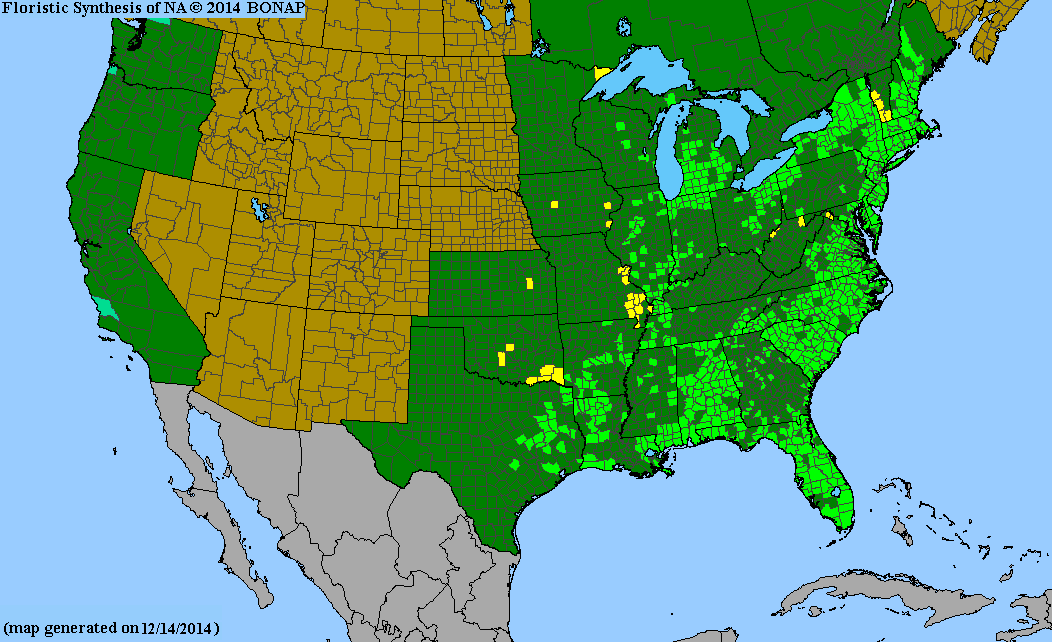
Peltandra virginica, commonly known as arrow arum or green arrow arum, is an aquatic perennial native to wetlands and marshes across eastern North America, most common along the Atlantic coastal plain. It forms clumps of long-stalked, glossy, arrowhead-shaped leaves on stems rising to 24 inches, with tiny greenish flowers on a spadix enveloped by a leaf-like spathe.
Application
- Tidal marsh and wetland restoration - confirmed obligate wetland species
- Pond, lake, and river margin plantings
- Deer- and goose-pressured wetland sites
- Waterfowl habitat plantings - berries feed wood ducks and king rails
Growing Conditions / Specification Data
- Light: Part Shade
- Soil/Moisture Tolerance: Wet soils and standing water; tolerates permanent inundation to 12 in. and salinity to 2 ppt
- Plant Type: Forb (aquatic)
- Mature Height: 1-2 ft.
- Fall Color: Insignificant/None
- Bloom Color / Period: Green; April-June
- Wetland Indicator Status: OBL (Obligate Wetland)
- Native Range: Northeast/Mid-Atlantic (full list)
- Pollinator Value: None significant - pollinated primarily by small flies and beetles attracted to the spadix, not a notable resource for bees or butterflies.
- Hydrology: Aquatic/Saturated
- Root Depth: Shallow (Under 12 in.)
- Salinity Tolerance: Low
- Growth Rate: Moderate
- Drought Tolerance: None
- Flood Tolerance: High - A hydrophytic marshland aquatic plant listed among species that must withstand storm inundation in the shoreline/shallow marsh zone of stormwater ponds; rhizomes are specifically tolerant of the low-oxygen conditions found in flooded wetland soils. Substrate is typically flooded throughout the growing season in its natural marsh habitat.
- Shade Tolerance: Intermediate
- Growth Habit: Clumping/Mounding
- USDA Hardiness Zones: 5-9
- Deer Resistance: Yes (Rarely Damaged)
Planting Guidance
- Slow to spread and non-aggressive, unlike the similar-looking Sagittaria (arrowhead); thick roots extend roughly 10 in. into the soil, providing genuine erosion control.
Share