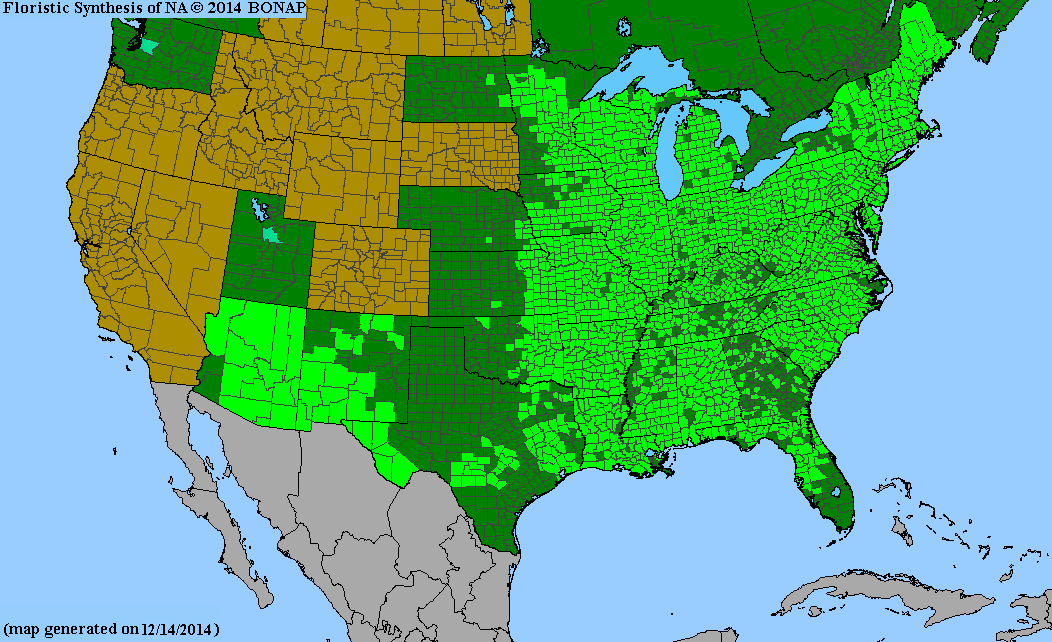
Prunus serotina (Black Cherry)
Prunus serotina (Black Cherry)
Wholesale to the Trade - Please log into your business account.
Wholesale to the Trade - Please log into your business account.
Couldn't load pickup availability
More information on the 2027 crop to come
More information on the 2027 crop to come
More information on the 2027 crop to come
A genuine keystone species for wildlife, black cherry is a confirmed larval host for both the Viceroy and Tiger Swallowtail butterflies, its fruit feeding over 30 species of songbirds - real ecological substance behind a tree also prized for its fine furniture wood.
Species Overview
Prunus serotina, or black cherry, is a fast-growing, large deciduous shade tree widely distributed across North America, reaching 50 to 80 feet. In spring it produces fragrant, pendulous clusters of white flowers, followed by small cherries ripening from red to deep purple-black in late summer, with its highly prized wood used extensively in fine furniture.
Application
- Fast-growing shade tree plantings
- Wildlife habitat - over 30 songbird species feed on the fruit
- Larval host habitat for the Viceroy, Tiger Swallowtail, and Coral Hairstreak butterflies
- Reclamation plantings on upland and lowland woodland sites
Growing Conditions / Specification Data
- Light: Full Sun to Part Shade
- Soil/Moisture Tolerance: Average, medium, well-drained soils
- Growth Rate: Rapid
- Plant Type: Tree
- Mature Height: 50-80 ft.
- Fall Color: Yellow
- Bloom Color / Period: White; April-May
- Wetland Indicator Status: NI (No Indicator) - see flags
- Native Range: Northeast/Mid-Atlantic (full list)
- Hydrology: Dry-Mesic
- Root Depth: Deep (24-36 in.)
- Salinity Tolerance: Low
- Drought Tolerance: Moderate
- Deer Resistance: No (Frequently Damaged)
- Flood Tolerance: Low - A generalist forest tree with moderate moisture tolerance overall, but not documented as flood tolerant.
- Shade Tolerance: Intermediate
- Growth Habit: Upright
- USDA Hardiness Zones: 3-9
- Pollinator Value: Larval host, supports bees, supports butterflies
Planting Guidance
- IMPORTANT: leaves and twigs contain hydrocyanic acid, which can poison livestock or other animals if consumed in large quantities - worth noting for livestock-adjacent plantings.
Share