One of the most ecologically valuable trees a restoration project can plant, northern red oak is confirmed tolerant of black walnut, drought, salt, and air pollution simultaneously - while serving as a documented larval host supporting over 400 species of Lepidoptera, a genuinely staggering figure for a single tree species.
Species Overview
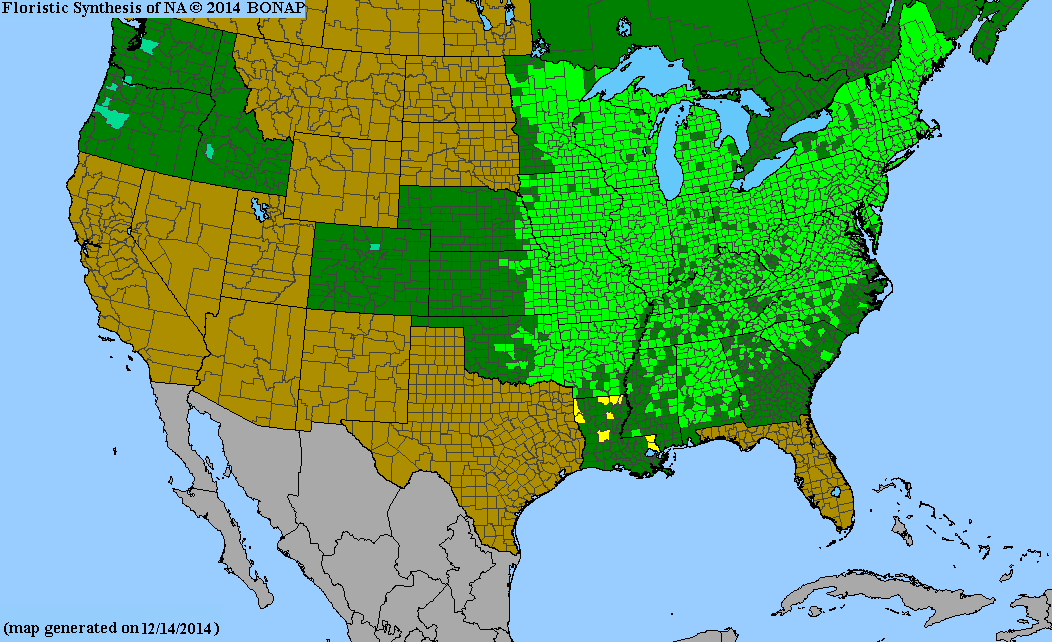
Quercus rubra, or northern red oak, is a tall, fast-growing deciduous tree widely distributed across eastern North America, typically reaching 70 to 90 feet with a straight trunk and rounded crown. Its leaves have pointed, bristle-tipped lobes that turn brilliant red in fall, and its acorns take two full growing seasons to mature.
Application
Fast-growing shade and street tree plantings - confirmed pollution tolerant
Plantings near black walnut and other juglone-producing trees
Larval host habitat supporting over 400 documented Lepidoptera species
Drought- and salt-tolerant urban and roadside plantings
Growing Conditions / Specification Data
Light: Full Sun
Soil/Moisture Tolerance: Moist to dry, well-drained, acidic, fertile, sandy to loamy soils
Drought Tolerance: High
Flood Tolerance: Low - Occurs on the better-drained portions of lowland sites in association with swamp white oak, beech, and sugar maple, rather than the wettest zones; not documented as flood tolerant in its own right.
Growth Rate: Rapid
Plant Type: Tree
Mature Height: 50-80 ft.
Fall Color: Red
Wetland Indicator Status: NI (No Indicator) - see flags
Easily transplanted; watch for chlorosis (yellowing leaves with green veins) in insufficiently acidic soils. Susceptible to oak wilt and gypsy moth defoliation, the most destructive of its documented pests.