Rhododendron viscosum (Swamp Azalea)
Rhododendron viscosum (Swamp Azalea)
Wholesale to the Trade - Please log into your business account.
Wholesale to the Trade - Please log into your business account.
Couldn't load pickup availability
More information on the 2027 crop to come
A genuinely wetland-adapted azalea tolerant of periodic flooding, swamp azalea's intensely fragrant flowers draw hummingbirds, bees, and butterflies all summer - though it's worth knowing this species should be kept well away from black walnut and butternut trees, unlike many of its shrub-layer neighbors.
Species Overview
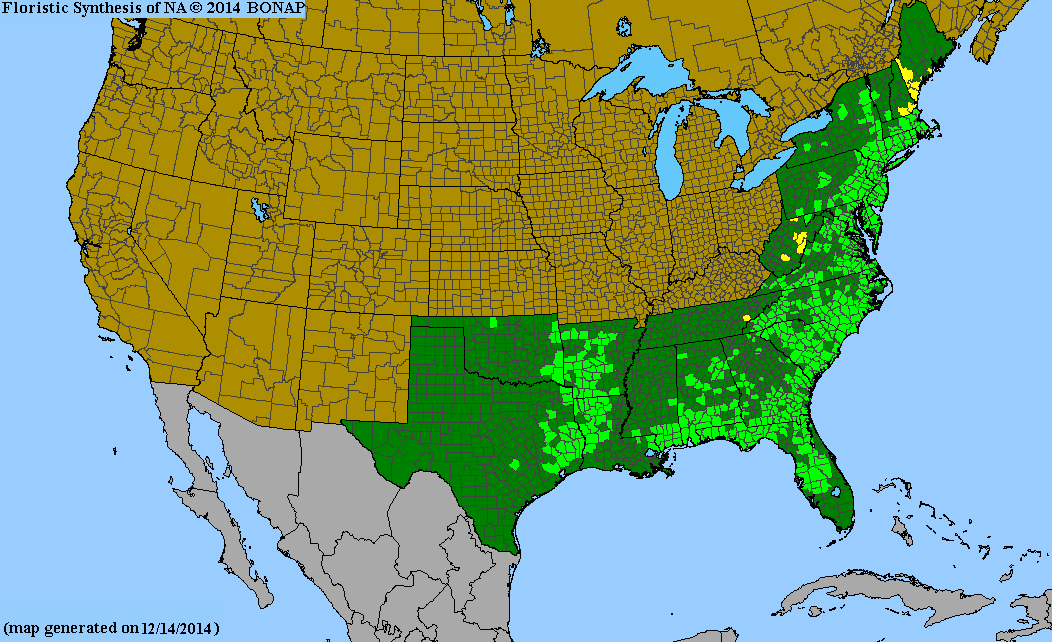
Rhododendron viscosum, commonly called swamp azalea or clammy azalea, is a deciduous shrub native to wetlands, swamps, and bogs across the eastern United States from Maine to Florida and Texas. It grows 3 to 8 feet tall, producing very fragrant, sticky white flowers with a spicy, clove-like scent from May through July - one of the last azaleas to bloom each season.
Application
- Wetland, bog, and stream-margin restoration - flood tolerant
- Rain garden and wet, acidic soil plantings
- Specialist bee habitat (Andrena cornelli) alongside hummingbirds and butterflies
- Fragrant naturalized landscape plantings
Growing Conditions / Specification Data
- Light: Part Shade - tolerates some sun, avoid afternoon exposure
- Soil/Moisture Tolerance: Wet, acidic soils; tolerates seasonal to regular inundation but needs enough drainage to avoid standing water at the roots
- Plant Type: Shrub
- Mature Height: 4-8 ft.
- Fall Color: Red
- Bloom Color / Period: White, Pink; May-August
- Wetland Indicator Status: NI (No Indicator) - see flags
- Native Range: Northeast/Mid-Atlantic (full list)
- Hydrology: Moist-Wet
- Root Depth: Moderate (12-24 in.)
- Salinity Tolerance: Low
- Growth Rate: Moderate
- Drought Tolerance: Low
- Deer Resistance: Some
- Flood Tolerance: High - Commonly called swamp azalea for its association with wet, boggy sites and streamsides; tolerates periodically saturated to standing water.
- Shade Tolerance: Intermediate
- Growth Habit: Multi-stemmed/Thicket-forming
- USDA Hardiness Zones: 4-8
- Juglone Tolerance: Intolerant
- Pollinator Value: Supports bees, supports specialist/oligolectic bees, supports butterflies, supports hummingbirds
Planting Guidance
- IMPORTANT: avoid planting near black walnut and butternut trees - unlike most other shrubs in this catalog, this species is documented as juglone-sensitive rather than tolerant. All plant parts are toxic if ingested.
Share