Rhus aromatica (Fragrant Sumac)
Rhus aromatica (Fragrant Sumac)
Wholesale to the Trade - Please log into your business account.
Wholesale to the Trade - Please log into your business account.
Couldn't load pickup availability
More information on the 2027 crop to come
More information on the 2027 crop to come
More information on the 2027 crop to come
A genuine erosion-control workhorse for the toughest slopes and banks, fragrant sumac serves as the confirmed larval host for the Red-banded Hairstreak butterfly while offering documented special value to native bees - all wrapped in a shrub notably unrelated to its rash-inducing poison sumac cousin.
Species Overview
Rhus aromatica, commonly called fragrant or aromatic sumac, is a deciduous shrub native to North America, typically growing 3 to 10 feet tall with a dense, rounded, spreading canopy. Its trifoliate leaves release a distinctive citrus-like fragrance when crushed, with small yellow-green flowers in early spring giving way to bright red, berry-like drupes.
Application
- Erosion control on slopes, banks, and roadcuts
- Dry, rocky, poor-soil restoration - thrives where other plants struggle
- Larval host habitat for the Red-banded Hairstreak butterfly
- Special-value native bee habitat - nectar source and nesting structure
Growing Conditions / Specification Data
- Light: Full Sun to Part Shade
- Soil/Moisture Tolerance: Dry to average soils; highly adaptable, tolerates poor and rocky conditions
- Plant Type: Shrub
- Mature Height: 4-8 ft.
- Fall Color: Yellow, Orange, Red
- Bloom Color / Period: Yellow; March-May
- Wetland Indicator Status: NI (No Indicator) - see flags
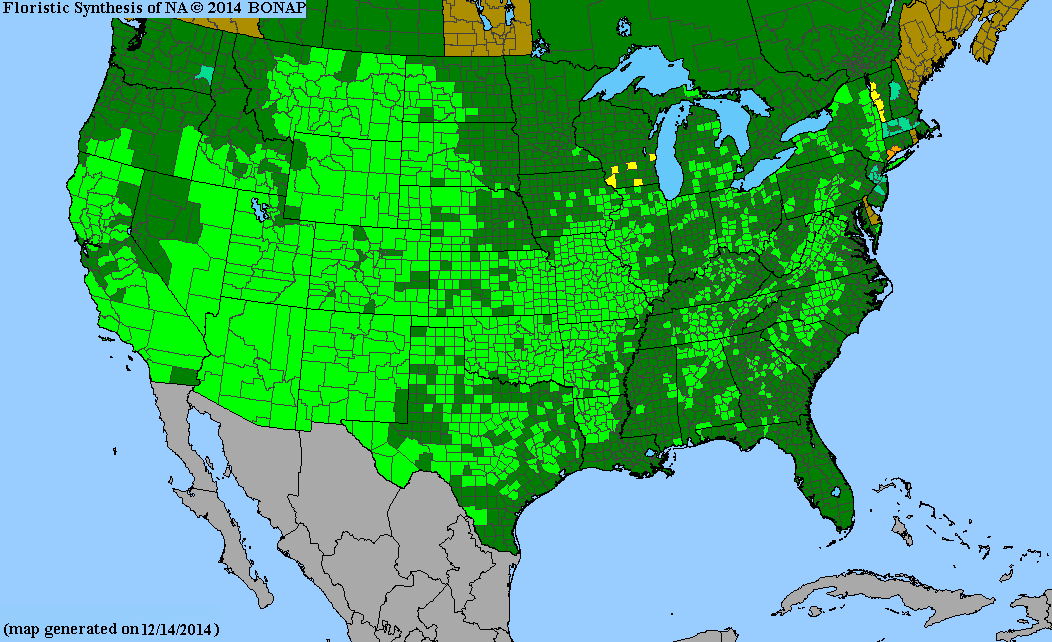
- Native Range: Northeast/Mid-Atlantic (full list)
- Hydrology: Dry-Mesic
- Root Depth: Shallow (Under 12 in.)
- Salinity Tolerance: Low
- Growth Rate: Moderate
- Drought Tolerance: High
- Deer Resistance: Yes (Rarely Damaged)
- Flood Tolerance: Low - A dry, rocky-to-sandy-soil groundcover sumac; not tolerant of standing water.
- Shade Tolerance: Intermediate
- Growth Habit: Spreading - rhizomatous groundcover
- USDA Hardiness Zones: 3-8
- Pollinator Value: Larval host, supports bees, supports specialist/oligolectic bees, supports butterflies
Planting Guidance
- Polygamodioecious (mostly separate-sex plants with occasional bisexual flowers) - plant at least two or three shrubs to improve fruiting odds. Leaves resemble poison ivy but lack a stalked central leaflet, a reliable way to distinguish the two.
Share