Rosa carolina (Pasture Rose)
Rosa carolina (Pasture Rose)
Wholesale to the Trade - Please log into your business account.
Wholesale to the Trade - Please log into your business account.
Couldn't load pickup availability
More information on the 2027 crop to come
More information on the 2027 crop to come
More information on the 2027 crop to come
A genuine native alternative to invasive multiflora rose, pasture rose is confirmed resistant to rose rosette virus and serves as a documented larval host for the Polyphemus moth - part of a broader group of native roses supporting 114 documented Lepidoptera species combined.
Species Overview
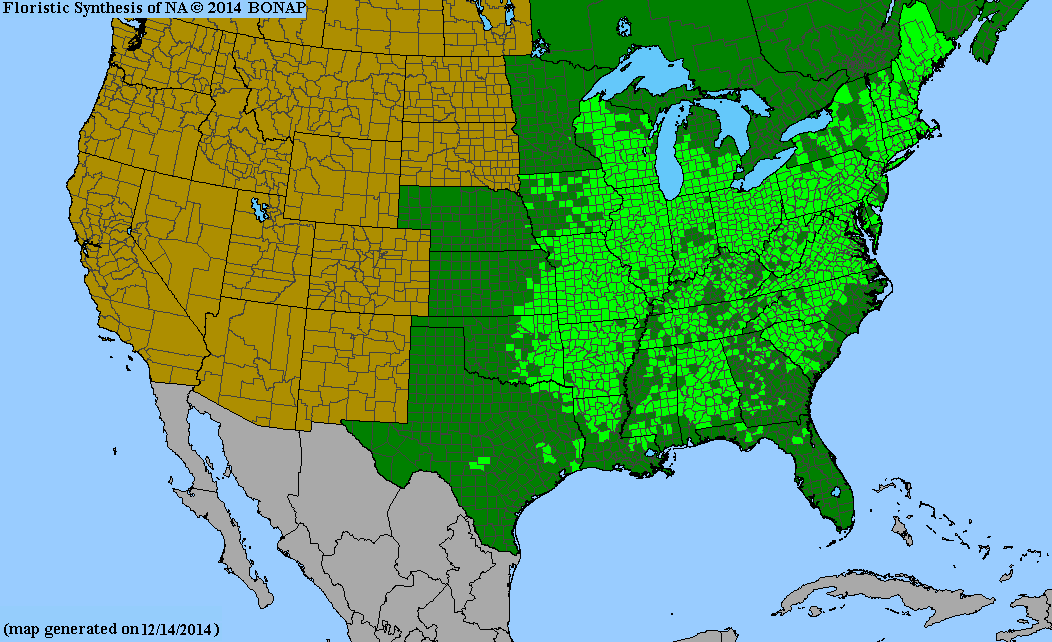
Rosa carolina, commonly called pasture rose or Carolina rose, is a woody deciduous shrub native to eastern and central North America, growing 6 inches to 5 feet tall. It produces single, fragrant, rich rose-pink flowers with bright yellow stamens from May to June, followed by showy red hips that persist through fall and winter as food for wildlife.
Application
- Native hedge and pollinator garden plantings - alternative to invasive multiflora rose
- Larval host habitat for the Polyphemus moth and other Lepidoptera
- Butterfly, children's, and edible gardens - vitamin C-rich hips
- Dry to average soil restoration
Growing Conditions / Specification Data
- Light: Full Sun to Part Shade
- Soil/Moisture Tolerance: Moist, well-drained soils; tolerates occasionally dry conditions
- Drought Tolerance: High
- Flood Tolerance: Low - A dry-mesic species, distinct from its wetland-obligate relative Rosa palustris (swamp rose); not tolerant of standing water.
- Plant Type: Shrub
- Mature Height: 2-4 ft.
- Fall Color: Insignificant/None
- Bloom Color / Period: Pink; May-June
- Wetland Indicator Status: FACU (Facultative Upland)
- Native Range: Northeast/Mid-Atlantic (full list)
- Hydrology: Dry-Mesic
- Root Depth: Moderate (12-24 in.)
- Salinity Tolerance: Low
- Growth Rate: Moderate
- Shade Tolerance: Intermediate
- Growth Habit: Spreading - suckering
- USDA Hardiness Zones: 4-9
- Deer Resistance: No (Frequently Damaged)
- Pollinator Value: Larval host, supports bees, supports specialist/oligolectic bees, supports moths
Planting Guidance
- Confirmed resistant to rose rosette virus, a serious disease affecting many cultivated roses. Spreads via suckering rhizomes to form colonies - pair with competitive native prairie plants to keep spread manageable in smaller settings.
Share