Rudbeckia fulgida (Orange Coneflower)
Rudbeckia fulgida (Orange Coneflower)
Wholesale to the Trade - Please log into your business account.
Wholesale to the Trade - Please log into your business account.
Couldn't load pickup availability
More information on the 2027 crop to come
A confirmed larval host for both the Silvery Checkerspot butterfly and the Wavy-Lined Emerald moth, orange coneflower's long, prolific bloom season and drought tolerance once established make it a reliable pollinator anchor for borders, meadows, and restoration plantings alike.
Species Overview
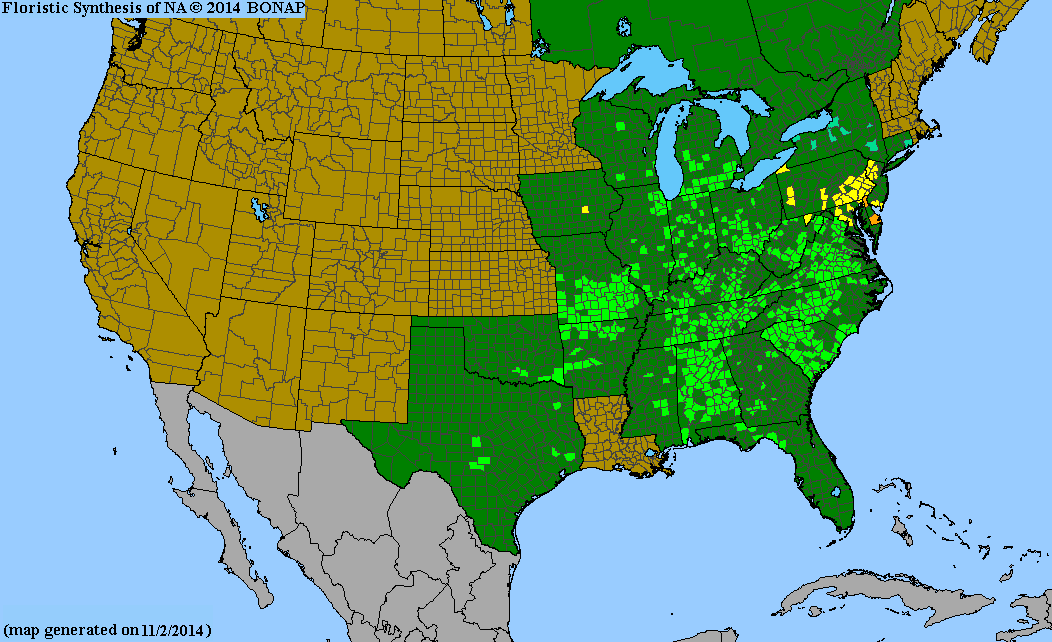
Rudbeckia fulgida, or orange coneflower, is a herbaceous perennial native to open woodlands, meadows, and prairies of the eastern and central United States, growing 2 to 4 feet tall. It blooms from midsummer through fall with bold yellow-orange, daisy-like flowers surrounding a dark, cone-shaped center, nearly covering the entire plant at peak bloom.
Application
- Long-blooming pollinator garden and border plantings
- Larval host habitat for the Silvery Checkerspot butterfly and Wavy-Lined Emerald moth
- Prairie and meadow restoration - tolerates clay soils
- Naturalized colonizing plantings
Growing Conditions / Specification Data
- Light: Full Sun to Part Shade
- Soil/Moisture Tolerance: Rich, moist, well-drained soils; drought tolerant once established
- Drought Tolerance: Moderate
- Flood Tolerance: Moderate - A moist meadow species tolerant of periodically wet soil, consistent with this species' already-confirmed rhizomatous, moist-habitat profile.
- Plant Type: Forb
- Mature Height: 2-4 ft.
- Fall Color: Insignificant/None
- Bloom Color / Period: Yellow; July-October
- Wetland Indicator Status: NI (No Indicator) - see flags
- Native Range: Northeast/Mid-Atlantic (full list)
- Hydrology: Mesic-Moist
- Root Depth: Shallow (Under 12 in.)
- Salinity Tolerance: Low
- Growth Rate: Rapid
- Deer Resistance: Yes (Rarely Damaged) (extends the confirmed genus-wide (Rudbeckia) deer-resistance pattern seen directly in R. hirta)
- Shade Tolerance: Intermediate
- Growth Habit: Spreading - rhizomatous
- USDA Hardiness Zones: 3-9
- Pollinator Value: Larval host, supports butterflies, supports moths
Planting Guidance
- Bloom period can be prolonged by removing spent blossoms; short-lived but self-seeds readily without spreading too far from the original planting.
Share