Salix discolor (Pussy Willow)
Salix discolor (Pussy Willow)
Wholesale to the Trade - Please log into your business account.
Wholesale to the Trade - Please log into your business account.
Couldn't load pickup availability
More information on the 2027 crop to come
More information on the 2027 crop to come
A confirmed juglone-tolerant early pollinator anchor, pussy willow's catkins provide critical late-winter pollen for native bees emerging early in the season, while its blue-green foliage serves as a documented larval host for the Mourning Cloak, Viceroy, Red-Spotted Purple, and Compton Tortoiseshell butterflies.
Species Overview
Salix discolor, or pussy willow, is a native, deciduous shrub or small tree growing 6 to 15 feet tall, most recognizable in late winter and early spring when silvery, soft catkins appear well before the leaves - the first willow catkins to open each year and a widely recognized harbinger of spring.
Application
- Early-season pollinator habitat - catkins open before nearly any other flowering plant
- Plantings near black walnut and other juglone-producing trees
- Larval host habitat for the Mourning Cloak, Viceroy, Red-Spotted Purple, and Compton Tortoiseshell
- Wetland, stream bank, and hedgerow plantings - tolerant of occasional flooding
Growing Conditions / Specification Data
- Light: Full Sun to Part Shade
- Soil/Moisture Tolerance: Moist to wet, damp soils; suffers in dry sites; tolerates clay
- Plant Type: Shrub
- Mature Height: 8-15 ft.
- Fall Color: Yellow
- Bloom Color / Period: Yellow; March-April
- Wetland Indicator Status: NI (No Indicator) - see flags
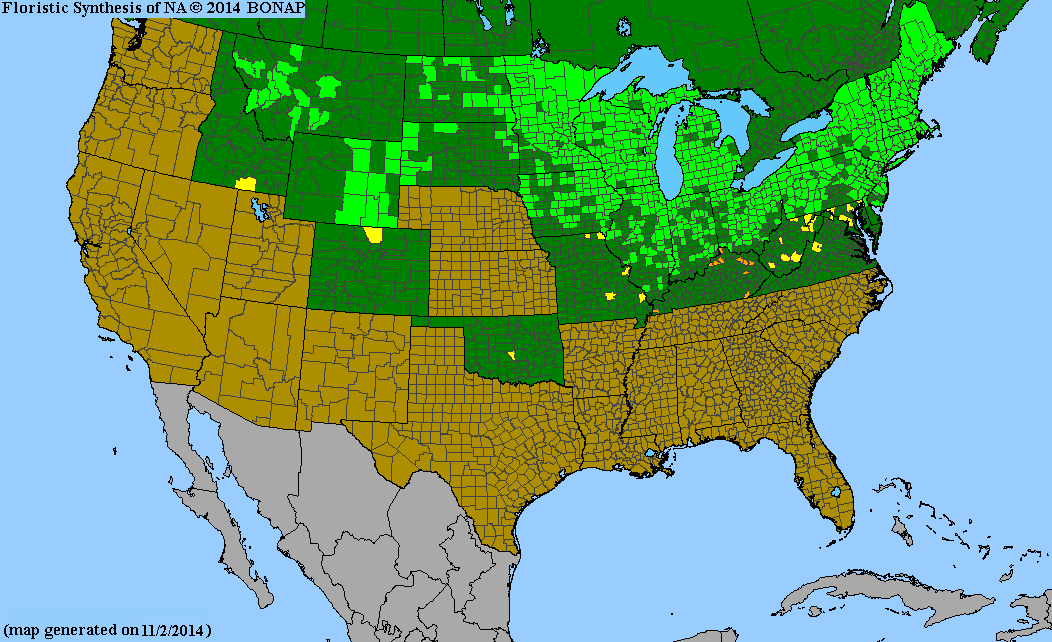
- Native Range: Northeast/Mid-Atlantic (full list)
- Hydrology: Mesic-Moist
- Root Depth: Moderate (12-24 in.)
- Salinity Tolerance: Low
- Growth Rate: Rapid
- Drought Tolerance: Low
- Flood Tolerance: Moderate - Recommended as a shoreline-shading shrub for stormwater pond and wetland edges, indicating tolerance of periodically wet to occasionally flooded soil.
- Shade Tolerance: Intermediate
- Growth Habit: Multi-stemmed/Thicket-forming - spreads by suckers
- USDA Hardiness Zones: 2-8
- Deer Resistance: Yes (Rarely Damaged)
- Juglone Tolerance: Tolerant
- Pollinator Value: Larval host, supports bees, supports specialist/oligolectic bees, supports butterflies, supports moths
Planting Guidance
- Dioecious - male plants produce the familiar ornamental silky catkins; female catkins are smaller and greenish. Fast-growing and short-lived; cut back heavily every few years to encourage vigorous new growth, and be aware it can sucker aggressively in continuously moist soil.
Share