Sparganium eurycarpum (Giant Bur-Reed)
Sparganium eurycarpum (Giant Bur-Reed)
Wholesale to the Trade - Please log into your business account.
Wholesale to the Trade - Please log into your business account.
Couldn't load pickup availability
Distinguished from every other bur-reed species by its unique two-parted stigmas, giant bur-reed's buried rhizomes provide a genuine survival strategy through drought, fire, and ice scour - while its large seeds accumulate as a persistent soil seed bank and its rhizomes serve as a documented muskrat food source.
Species Overview
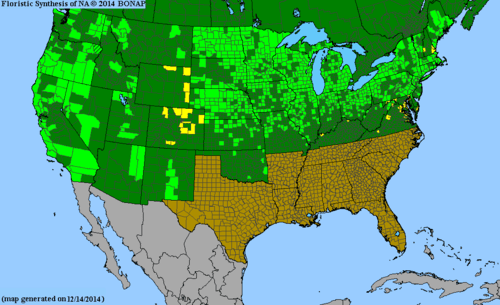
Sparganium eurycarpum, commonly called giant or broadfruit bur-reed, is a clonal aquatic perennial native to wetlands across most of North America, reaching up to 8 feet tall. Long, strap-like leaves and distinctive spiny, globular fruiting clusters give the species its common name, with wind-pollinated flowers appearing on zigzagging stems from spring through fall.
Application
- Wetland restoration - dense stand formation for habitat and erosion control
- Water garden and pond specimen plantings
- Waterfowl and muskrat food source plantings
- Shallow lake, river, and marsh margin naturalization
Growing Conditions / Specification Data
- Light: Full Sun
- Soil/Moisture Tolerance: Wet soils or shallow water; lakes, streams, marshes, swales, wet ditches
- Plant Type: Forb (aquatic)
- Mature Height: 4-8 ft.
- Fall Color: Insignificant/None
- Wetland Indicator Status: NI (No Indicator) - see flags
- Native Range: Northeast/Mid-Atlantic (full list)
- Pollinator Value: None significant - wind-pollinated wetland forb, no meaningful nectar or pollen resource.
- Hydrology: Aquatic/Saturated
- Root Depth: Shallow (Under 12 in.)
- Salinity Tolerance: None
- Growth Rate: Moderate
- Drought Tolerance: None
- Deer Resistance: Some
- Flood Tolerance: High - A wetland-obligate emergent aquatic forb (bur-reed); tolerates standing water.
- Shade Tolerance: Intermediate
- Growth Habit: Spreading - rhizomatous
- USDA Hardiness Zones: 3-8
Planting Guidance
- Buried rhizomes allow the plant to survive periods of drought, fire, or ice scour, resprouting once conditions improve. Frequently occurs in areas with spring flooding and may be emersed during periods of lower water.
Share