Sporobolus heterolepsis (Prairie Dropseed)
Sporobolus heterolepsis (Prairie Dropseed)
Wholesale to the Trade - Please log into your business account.
Wholesale to the Trade - Please log into your business account.
Couldn't load pickup availability
Widely regarded as the most ornamental of the native prairie grasses, prairie dropseed is confirmed tolerant of juglone toxicity - a genuinely useful trait for siting near black walnut - while its fine-textured, snow-resistant foliage delivers year-round structural interest even as wild populations decline across much of its range.
Species Overview
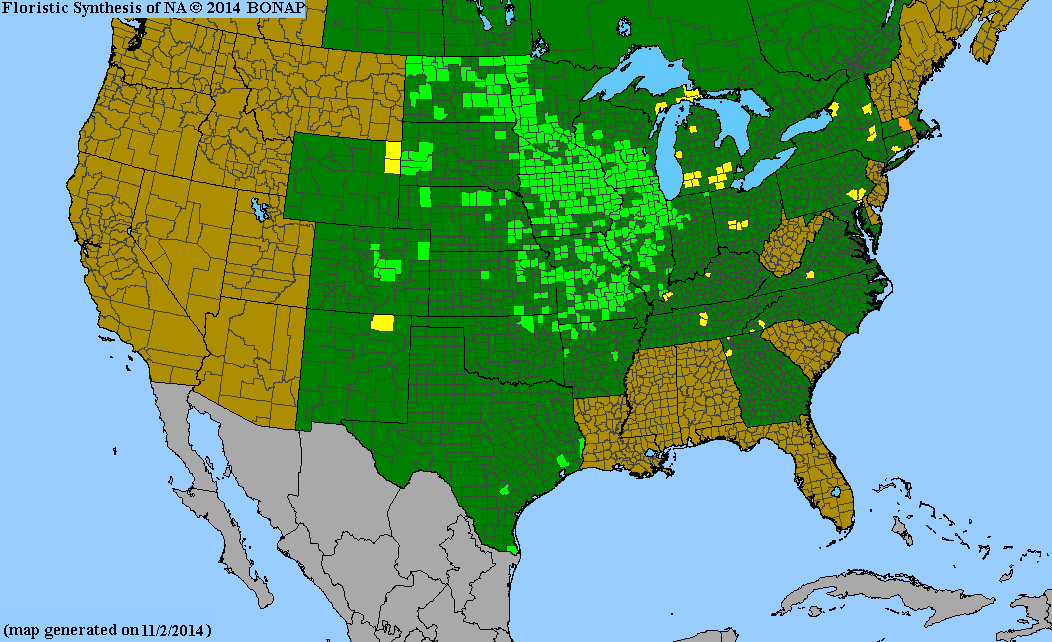
Sporobolus heterolepis, or prairie dropseed, is a fine-textured, clump-forming warm-season grass native primarily to the tallgrass and mixed-grass prairies of central North America, with scattered populations in the eastern United States and Canada. Long, narrow, arching leaves form attractive round tufts roughly 18 inches tall, with airy flower panicles rising to 30-36 inches from late July through mid-September, noted for a distinctive coriander-like fragrance.
Application
- Ornamental prairie and meadow restoration - widely considered the showiest native prairie grass
- Plantings near black walnut and other juglone-producing trees
- Rock garden, border, and lawn-alternative groundcover plantings
- Fire-adapted prairie restoration - responds well to controlled burns
Growing Conditions / Specification Data
- Light: Full Sun
- Soil/Moisture Tolerance: Average moisture, dry to average, well-drained soils
- Drought Tolerance: High
- Flood Tolerance: Low - A dry prairie grass, consistent with this species' already-confirmed habitat profile from earlier work.
- Plant Type: Graminoid
- Mature Height: 1-2 ft.
- Fall Color: Yellow, Orange, Red
- Wetland Indicator Status: NI (No Indicator) - see flags
- Native Range: Northeast/Mid-Atlantic (full list)
- Pollinator Value: None significant - wind-pollinated prairie bunchgrass, no meaningful nectar or pollen resource.
- Hydrology: Dry-Mesic
- Root Depth: Deep (24-36 in.)
- Salinity Tolerance: Low
- Growth Rate: Slow (well-documented slow-establishing prairie bunchgrass)
- Deer Resistance: Yes (Rarely Damaged)
- Shade Tolerance: Intolerant
- Growth Habit: Clumping/Mounding
- USDA Hardiness Zones: 3-9
- Juglone Tolerance: Tolerant
Planting Guidance
- IMPORTANT: populations are in decline across much of its range - planting this species supports its persistence. Slow to establish and can take 3-4 seasons to mature; typically thrives only in already-established prairie ecosystems and does not easily establish from seed early in restoration projects.
Share