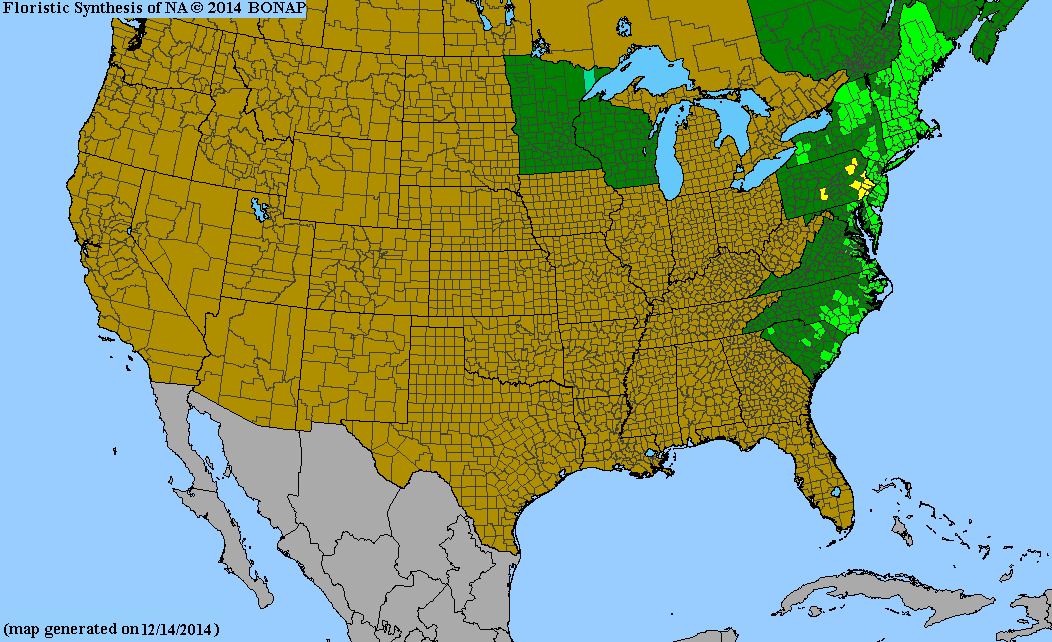
Symphyotrichum novi-belgii (New York Aster)
Symphyotrichum novi-belgii (New York Aster)
Wholesale to the Trade - Please log into your business account.
Wholesale to the Trade - Please log into your business account.
Couldn't load pickup availability
More information on the 2027 crop to come
A confirmed favorite among late-season pollinators, New York aster's dense growth habit makes it a proven choice for erosion control along waterways, drawing bees and migrating butterflies in numbers during a period when many other nectar sources have already faded.
Species Overview
Symphyotrichum novi-belgii, or New York aster, is a showy perennial wildflower native to wet meadows, streambanks, and lowlands across eastern North America, growing 2 to 4 feet tall. Clusters of vibrant purple to lavender flowers with yellow centers bloom from late summer into fall above a dense, upright growth habit.
Application
- Erosion control along waterways and wet meadow edges - dense growth habit
- Late-season pollinator garden plantings
- Streambank and lowland wet-meadow restoration
- Naturalized moist-soil border plantings
Growing Conditions / Specification Data
- Light: Full Sun
- Soil/Moisture Tolerance: Moist to moderately well-drained soils; wet meadows and streambanks
- Plant Type: Forb
- Mature Height: 2-4 ft.
- Fall Color: Insignificant/None
- Bloom Color / Period: Purple; August-October
- Wetland Indicator Status: NI (No Indicator) - see flags
- Native Range: Northeast/Mid-Atlantic (full list)
- Hydrology: Mesic-Moist
- Root Depth: Shallow (Under 12 in.)
- Salinity Tolerance: Low
- Growth Rate: Rapid
- Drought Tolerance: Low
- Deer Resistance: Some
- Flood Tolerance: Moderate - A rhizomatous, moist meadow and wetland-margin aster tolerant of periodically wet soil.
- Shade Tolerance: Intermediate
- Growth Habit: Spreading - rhizomatous
- USDA Hardiness Zones: 4-8
- Pollinator Value: Supports bees, supports butterflies
Planting Guidance
- Dense growth habit provides genuine erosion-control value along stream and pond banks in addition to its ornamental late-season display.
Share