Viburnum lenatgo (Nannyberry)
Viburnum lenatgo (Nannyberry)
Wholesale to the Trade - Please log into your business account.
Wholesale to the Trade - Please log into your business account.
Couldn't load pickup availability
More information on the 2027 crop to come
A confirmed salt-tolerant generalist adaptable to nearly any soil condition, nannyberry carries genuine ecological weight as a documented larval host for the Pink Prominent, Hummingbird Clearwing, and Green Marvel moths - making it a top wildlife plant for nesting birds drawn to its dense, moderate-growing form.
Species Overview
Viburnum lentago, or nannyberry, is a large, suckering deciduous shrub or small tree native to the northeastern and midwestern United States, typically growing 15 to 20 feet tall. Flat-topped clusters of creamy-white flowers bloom in late spring, followed by edible, sweet, blue-black berries with bright red stalks that persist attractively into winter.
Application
- Salt-tolerant roadside and urban landscape plantings
- Larval host habitat for the Pink Prominent, Hummingbird Clearwing, and Green Marvel moths
- Bird nesting habitat - dense form favored by songbirds
- Naturalized hedgerow, screen, and stream-bank plantings
Growing Conditions / Specification Data
- Light: Full Sun to Part Shade
- Soil/Moisture Tolerance: Moist, rich loam to clay-loam soils preferred; tolerates drier sites
- Growth Rate: Moderate - 1-2 ft. per year
- Plant Type: Shrub
- Mature Height: 15-25 ft.
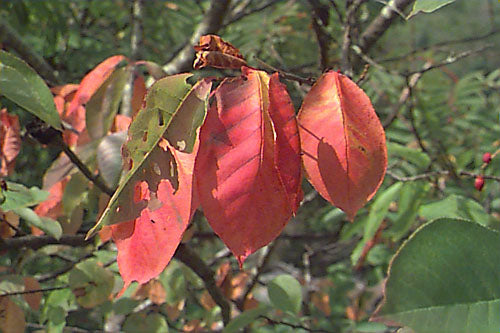
- Fall Color: Yellow, Orange, Red
- Bloom Color / Period: White; May
- Wetland Indicator Status: NI (No Indicator) - see flags
- Native Range: Northeast/Mid-Atlantic (full list)
- Hydrology: Mesic-Moist
- Root Depth: Moderate (12-24 in.)
- Salinity Tolerance: Low
- Drought Tolerance: Moderate
- Deer Resistance: Some (Rutgers rates the genus "seldom severely damaged")
- Flood Tolerance: Moderate - A moist woodland and streamside shrub-tree tolerant of periodically wet soil.
- Shade Tolerance: Intermediate
- Growth Habit: Upright, Multi-stemmed
- USDA Hardiness Zones: 2-8
- Pollinator Value: Larval host, supports bees, supports butterflies, supports moths
Planting Guidance
- Salt tolerant, making it a good fit for roadside plantings. Can be trained as a single-stem small tree, though removing suckers is labor-intensive and reduces the plant's vigor - allowing a few suckers to remain lets it naturally form a hedge, which is well suited to rewilding projects.
Share