Viburnum prunifolium (Blackhaw Viburnum)
Viburnum prunifolium (Blackhaw Viburnum)
Wholesale to the Trade - Please log into your business account.
Wholesale to the Trade - Please log into your business account.
Couldn't load pickup availability
More information on the 2027 crop to come
More information on the 2027 crop to come
A genuine three-season, high-value wildlife shrub confirmed both deer resistant and highly drought tolerant, blackhaw serves as a documented larval host plant while its edible fall berries feed both birds and people - a slow-growing but exceptionally durable understory specimen.
Species Overview
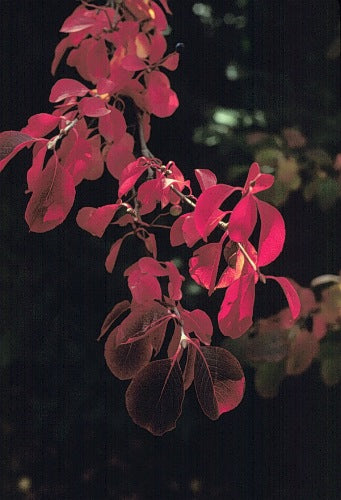
Viburnum prunifolium, or blackhaw, is a large, suckering deciduous shrub or small tree native to eastern North America, maturing slowly to 8 to 15 feet tall and nearly as wide. Large, fragrant white flower clusters bloom in spring on a distinctively crooked trunk with spreading branches, followed by purplish-black berries and red-to-purple fall foliage.
Application
- Understory, hedgerow, and specimen plantings - 3 seasons of interest
- Deer-pressured sites - confirmed deer resistant
- Larval host and pollinator nectar/pollen habitat
- Dry to average soil restoration - confirmed highly drought tolerant
Growing Conditions / Specification Data
- Light: Full Sun to Part Shade
- Soil/Moisture Tolerance: Medium to dry, well-drained soils; adaptable to clay
- Drought Tolerance: High
- Flood Tolerance: Low - A more upland, dry-mesic woodland viburnum relative to some of its wetter-tolerant relatives in the genus.
- Growth Rate: Slow
- Plant Type: Shrub
- Mature Height: 8-15 ft.
- Fall Color: Red-Purple
- Bloom Color / Period: White; April-June
- Wetland Indicator Status: FACU (Facultative Upland)
- Native Range: Northeast/Mid-Atlantic (full list)
- Hydrology: Dry-Mesic
- Root Depth: Moderate (12-24 in.)
- Salinity Tolerance: Low
- Shade Tolerance: Intermediate
- Growth Habit: Upright, Multi-stemmed
- USDA Hardiness Zones: 3-9
- Deer Resistance: Yes (Rarely Damaged)
- Pollinator Value: Larval host, supports bees, supports butterflies
Planting Guidance
- Historically used by Indigenous peoples in a wash to treat mouth sores, muscle spasms, and diaphoresis (cold sweats). Berries are edible for both humans and birds; plant two or three shrubs for reliable cross-pollination and fruit set, since Viburnum flowers are self-infertile.
Share