Viburnum trilobum (Cranberry Viburnum)
Viburnum trilobum (Cranberry Viburnum)
Wholesale to the Trade - Please log into your business account.
Wholesale to the Trade - Please log into your business account.
Couldn't load pickup availability
Despite the name, this shrub isn't a true cranberry - its tart, vitamin-C-rich fruit simply resembles one - and its berries persist attractively into late winter, softening and sweetening over the cold months as a genuine cold-season food source for Cedar Waxwings and other overwintering birds.
Species Overview
Viburnum trilobum, commonly called cranberry viburnum, American cranberrybush, or highbush cranberry, is a large, rounded, multi-stemmed deciduous shrub native to northern North America, typically growing 8 to 15 feet tall. Showy, lace-cap-style white flower clusters bloom in late spring, followed by clusters of bright red, tart, cranberry-like berries that persist into late winter.
Application
- Screening hedge and specimen plantings - dense, rounded, arching form
- Cold-season bird food source - berries persist and sweeten through winter
- Moist woods and lake margin restoration
- Edible landscaping - tart, vitamin-C-rich fruit for jams and jellies
Growing Conditions / Specification Data
- Light: Full Sun to Part Shade
- Soil/Moisture Tolerance: Moist, well-drained soils; consistent moisture preferred, tolerates a wide range of soil types
- Growth Rate: Moderate - 1-2 ft. per year
- Plant Type: Shrub
- Mature Height: 8-15 ft.
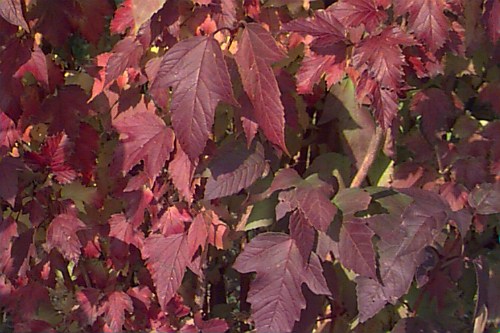
- Fall Color: Red-Purple
- Bloom Color / Period: White; May-June
- Wetland Indicator Status: NI (No Indicator) - see flags
- Native Range: Northeast/Mid-Atlantic (full list)
- Hydrology: Mesic-Moist
- Root Depth: Moderate (12-24 in.)
- Salinity Tolerance: Low
- Drought Tolerance: Moderate
- Deer Resistance: Some (Rutgers rates the genus "seldom severely damaged")
- Flood Tolerance: Moderate - A cold-hardy shrub of moist thickets and wetland margins; tolerates periodically wet soil.
- Shade Tolerance: Intermediate
- Growth Habit: Multi-stemmed/Thicket-forming
- USDA Hardiness Zones: 2-7
- Pollinator Value: Supports bees
Planting Guidance
- Susceptible to viburnum leaf beetle, which can completely defoliate and eventually kill the plant with repeated damage - monitor and treat early if infestation appears. Prune annually just after flowering to maintain size; berries are edible once seeds are removed, tart and rich in vitamin C.
Share